Fauna
Mark Carwardine’s role, essentially, was to be the one who knew what he was talking about. My role, and one for which I was entirely qualified, was to be an extremely ignorant non-zoologist to whom everything that happened would come as a complete surprise.― Douglas Adams, Last Chance to See |
|
Luckily, Pete is excellent at wildlife identification. So I (that’s Margie) can just point and go ‘ooh’! This page records some of our spottings – when we had a camera. Our Fauna Species List is at the end of the page.
—————————————————————————————————————————————–
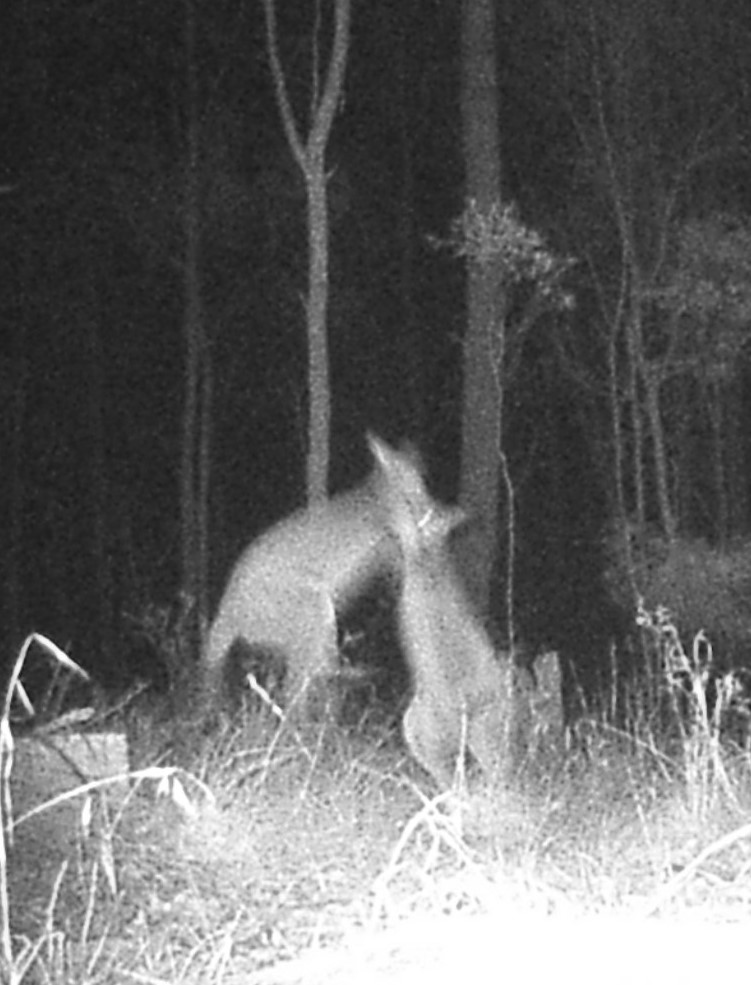
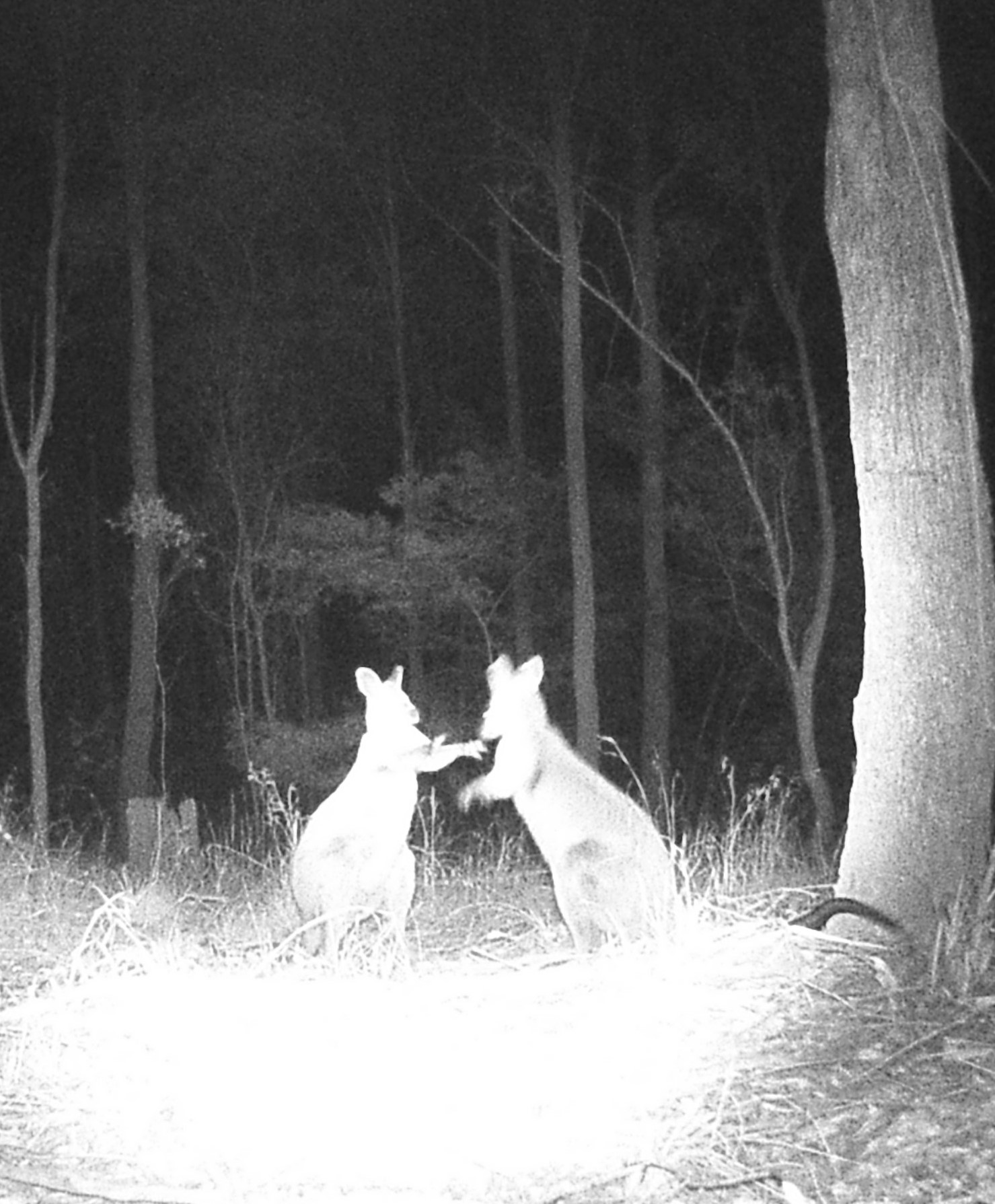
Boxing Wallabies
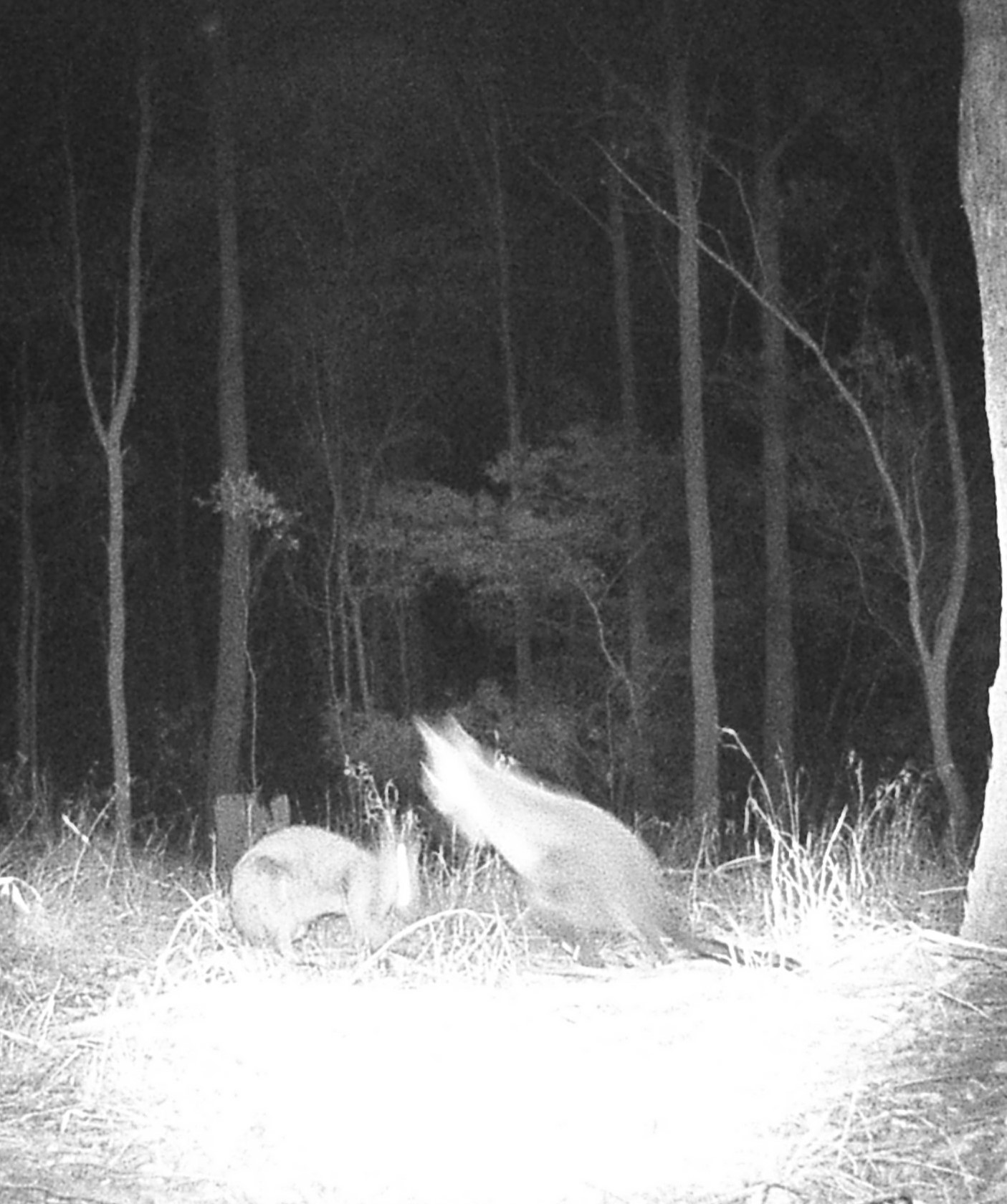
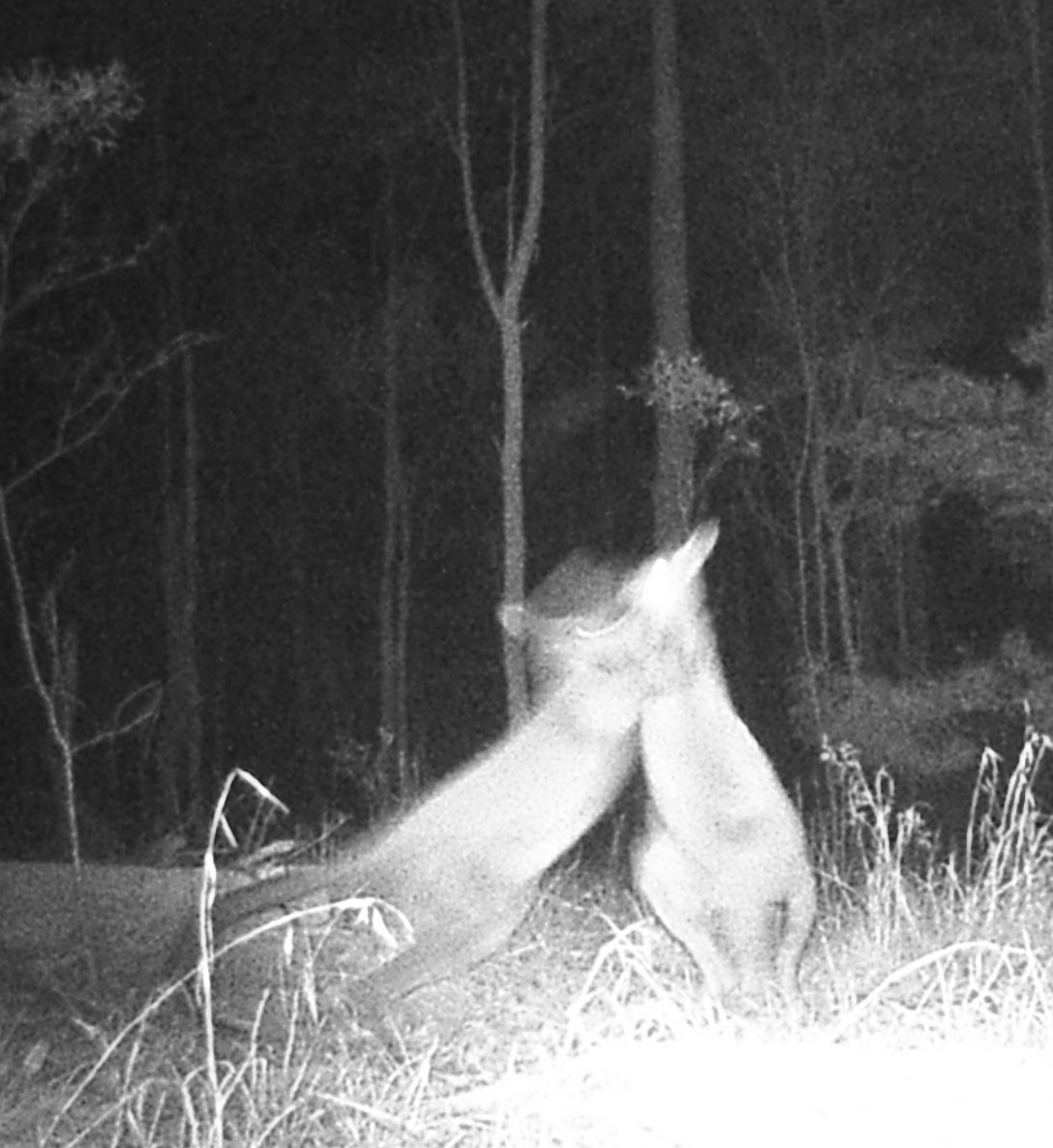
We purchased our own wildlife camera in May 2019 – love those Aldi special buys! We immediately captured these photos of boxing wallabies on a Wordwood trail.
 |
 |
 |
 |
Squirrel Gliders
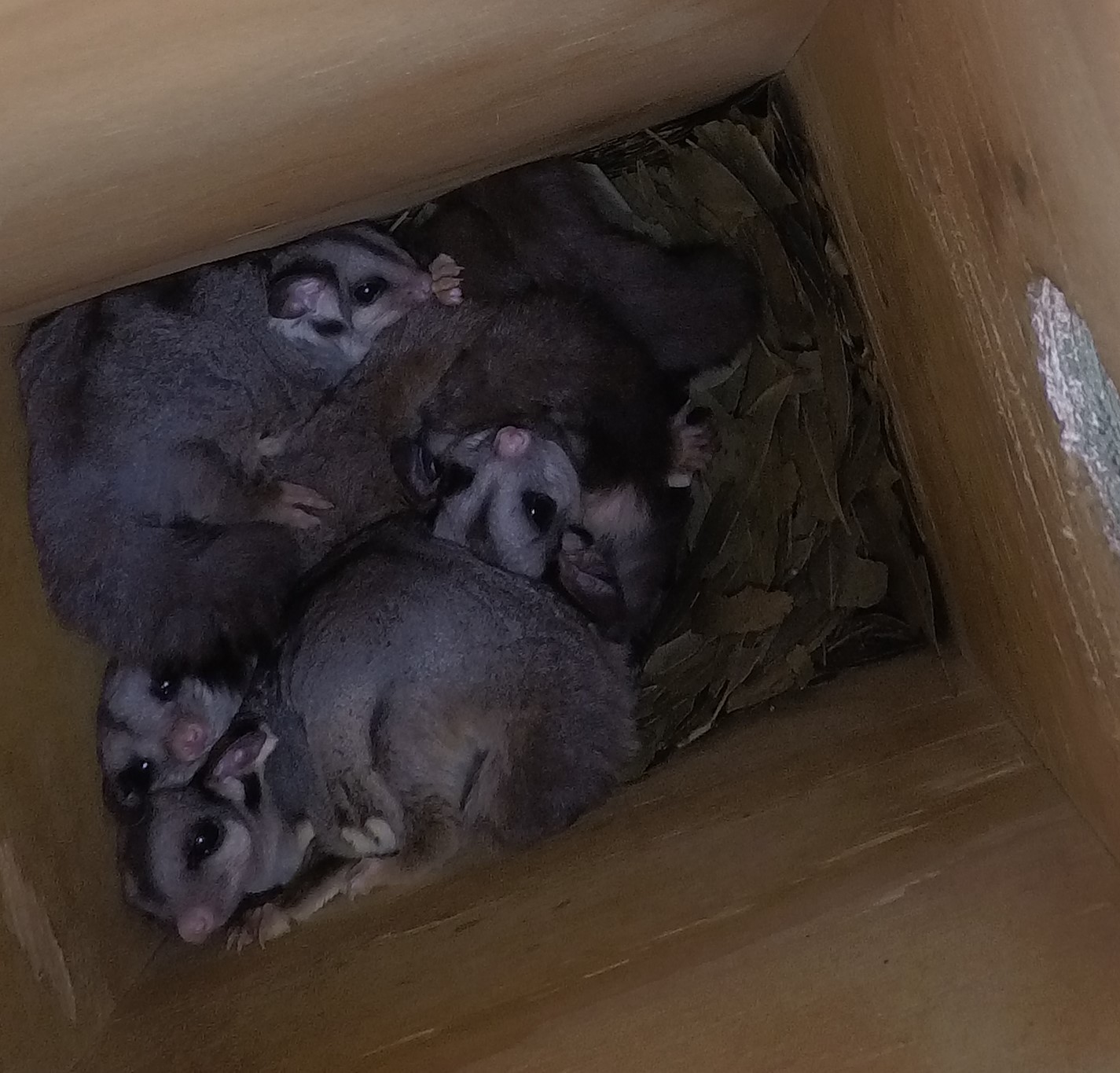 |
Easter 2019 we used a GoPro and a torch wire-tied to a stick to look into the nest boxes we had built and hung late 2016. About four squirrel gliders were nesting in one of the boxes. Cute doesn’t begin to say it! |
Koalas
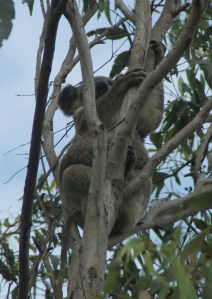
Margie has developed a theory on koala spotting. You can’t see them if you are looking. You have to catch a glimpse out of the corner of your eye and then pick your way through the long grass, swamp, etc to be sure it is koala! Despite a low success rate, it is worth it for the few times it works. And, how is it that any koala can manage to sit in any tree in such a way that you can’t get a photo of its face?!
 |
It was very exciting to spot our first koala (see the photo to the left)!
No further koala spottings for a while, despite occasionally coming across the distinctive gummy, urine smell of one nearby. Finally, in December 2012, we saw our second koala (see the photo on the right). Or maybe it was the same koala in a different tree? |
 |
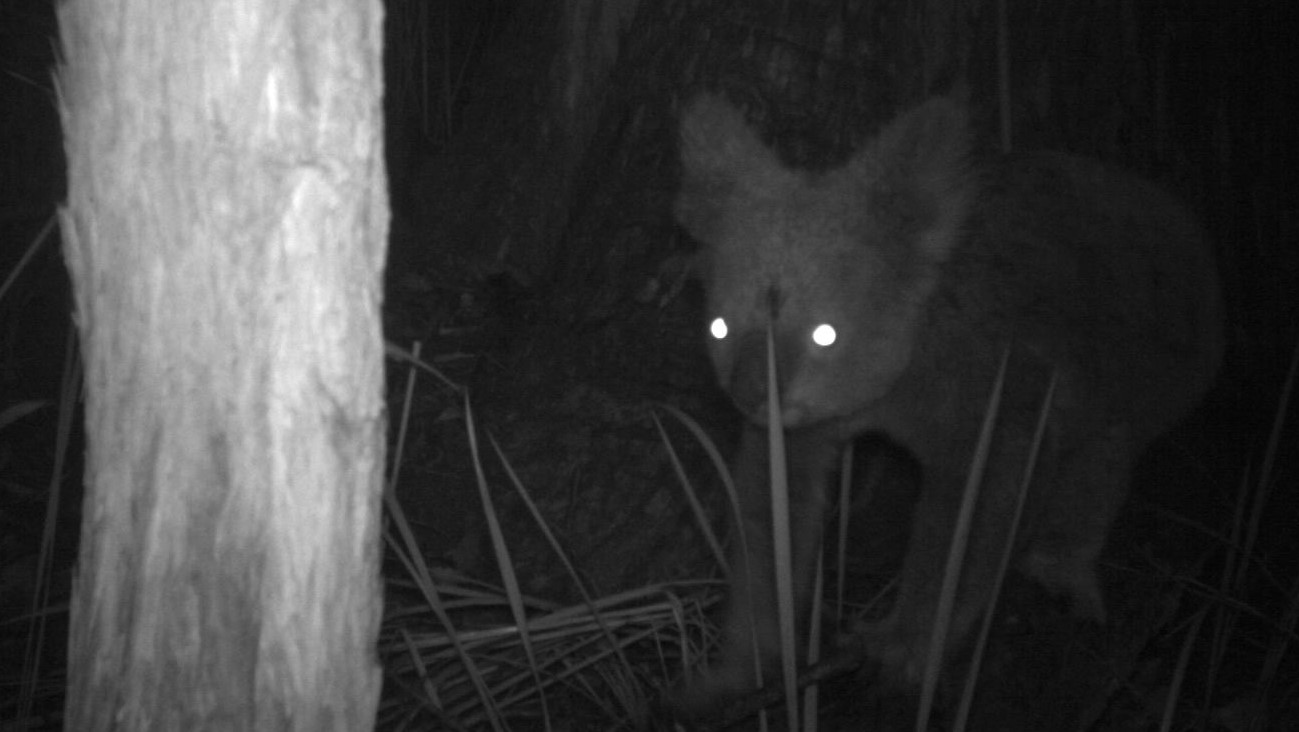
In May 2015, we captured a koala on a wildlife camera (on the part of Wordwood that we call The Hill). He stayed for 2 nights (see the photos below).
|
Arriving – 1 May |
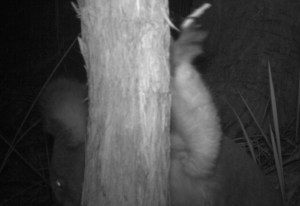 Leaving – 1 May |
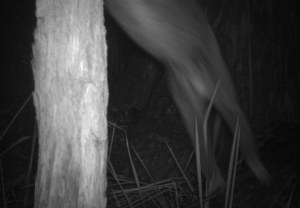 Arriving – 2 May 2 |
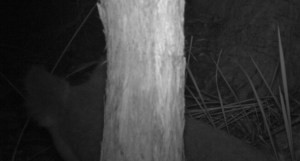 Leaving – 2 May |
Yellow-footed Antechinus
Major excitement on 1 December 2012! A yellow-footed antechinus had moved into the storeroom in The Nook to nest. Mistaking it for a rat, Margie removed its nest twice. Then, Pete worked out from the scat that it was an antechinus. We gave it a nest box and hoped to soon have antechinus babies. We hoped it was a girl – ’cause if it was a boy and he’d got lucky it would have been all over! She didn’t use the nest box. The tarry and fragrant scat was a bit unfortunate. We read that if you put down paper a female will use it to toilet, and we tried that with limited success. We named her ‘Squatter’. The babies arrived on 13 January 2013. We guessed as much because the amount and spread of scat had increased. We then saw two of them. Very appropriately, one was hiding in the Land for Wildlife folder. The other one was in a cardboard cylinder. They grew very fast. They had gone by August 2013. Squatter was still around and using the nest box. When we arrived late one night, we saw her coming in from outdoors through the space between the roof and wall. She was very friendly – just sat looking at us and then continued about her business. Pete’s friends say that an antechinus in their house came out to visit every evening and danced around waiting for the attention until they all went ‘Ooh! Look an antechinus!’.
In December 2013, scat and eaten rice paper lanterns indicated that the antechinus had moved out of the storeroom into the main room. Moving into the main room was a major breach of mou cohabitation agreement, whereby they were required not to poo in the house. We went looking to relocate her and found mum with 6 babies (see the photo below). She had nested in the upper bunk of the bed. It was funny catching her. Each time Pete went up one side of the bunk, we saw her little figure running under the blanket to the other side. Eventually, Margie got up on the bed and managed to pick her up and pop her in the billy. We relocated her back to the nest box in the storeroom. She was very good about it all really. I guess when you are lugging around more than you body weight in babies you are pretty passive. It turns other that there was another mum with another 6 babies nesting in a basket in the storeroom as well. When Margie opened the basket she saw them all feeding. They were even tinier.
After our experience with the antechinus, I came across a poem and it struck me. The first verses are reproduced below.
 |
To a MouseWee, sleeket, cowran, tim’rous beastie
|
Northern Brown Bandicoots (Eastern)
| A couple of nights when Pete has stayed in The Nook by himself and with no dogs, he has been woken by a northern brown bandicoot (eastern) on the deck. In August 2014, we put a wildlife camera on the ground looking at the land just next to the deck. A bandicoot visited every night, often more than once a night (see the photo on the right). | 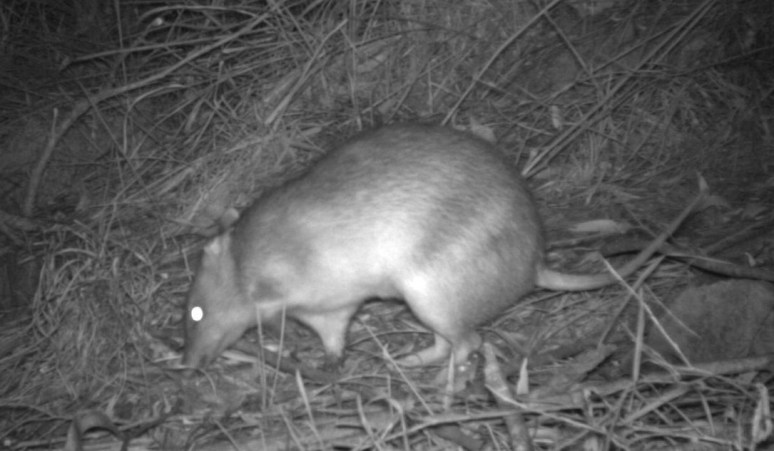 |
Dingos
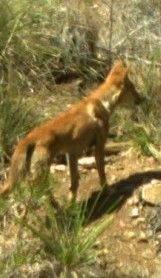
As at March 2013, we had only seen one dingo. It was crossing the driveway. As soon as it heard us it froze, and went on tentatively, clearly smelling where Margie and the dogs had been just a short time before. It looked mostly dingo-like, with maybe a little German shepard. Seeing it inspired Margie to write the poem set out below. In September 2014, we captured another dingo on the wildlife camera at a waterhole on the place we call Little Creek (see the photo below).
 |
Love the Predators‘You cannot love the prey and not love the predators’If love means,
|
Red Deer
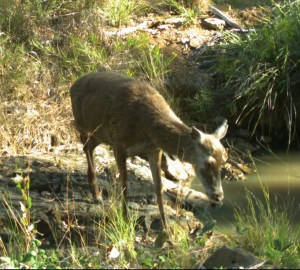
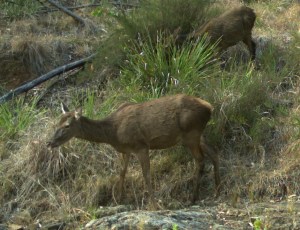
Despite the fact that they are feral, the red deer that visit Wordwood are majestic as they walk by and look us in the eye. In September 2014, we captured 3 deer on the wildlife camera at a waterhole on the place we call Little Creek (see the photos below). One seemed to be an old loner and the others a younger pair.
 |
 |
Birds
Wordwood is home to lots of birds. We find the website Birds in Backyards and the phone app Michael Morcombe & David Stewart eGuide to The Birds of Australia really useful in bird identification (see the links on the right).
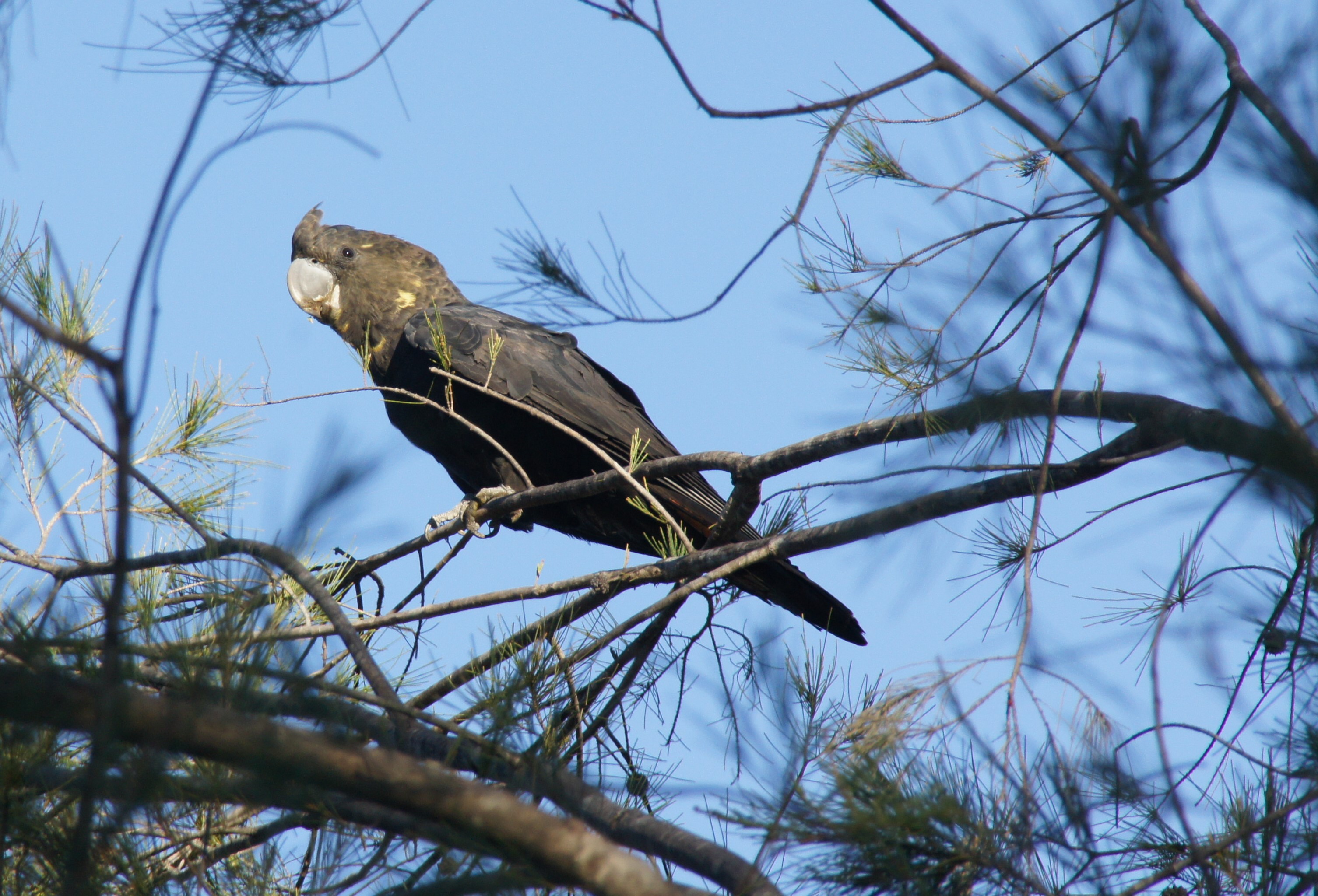
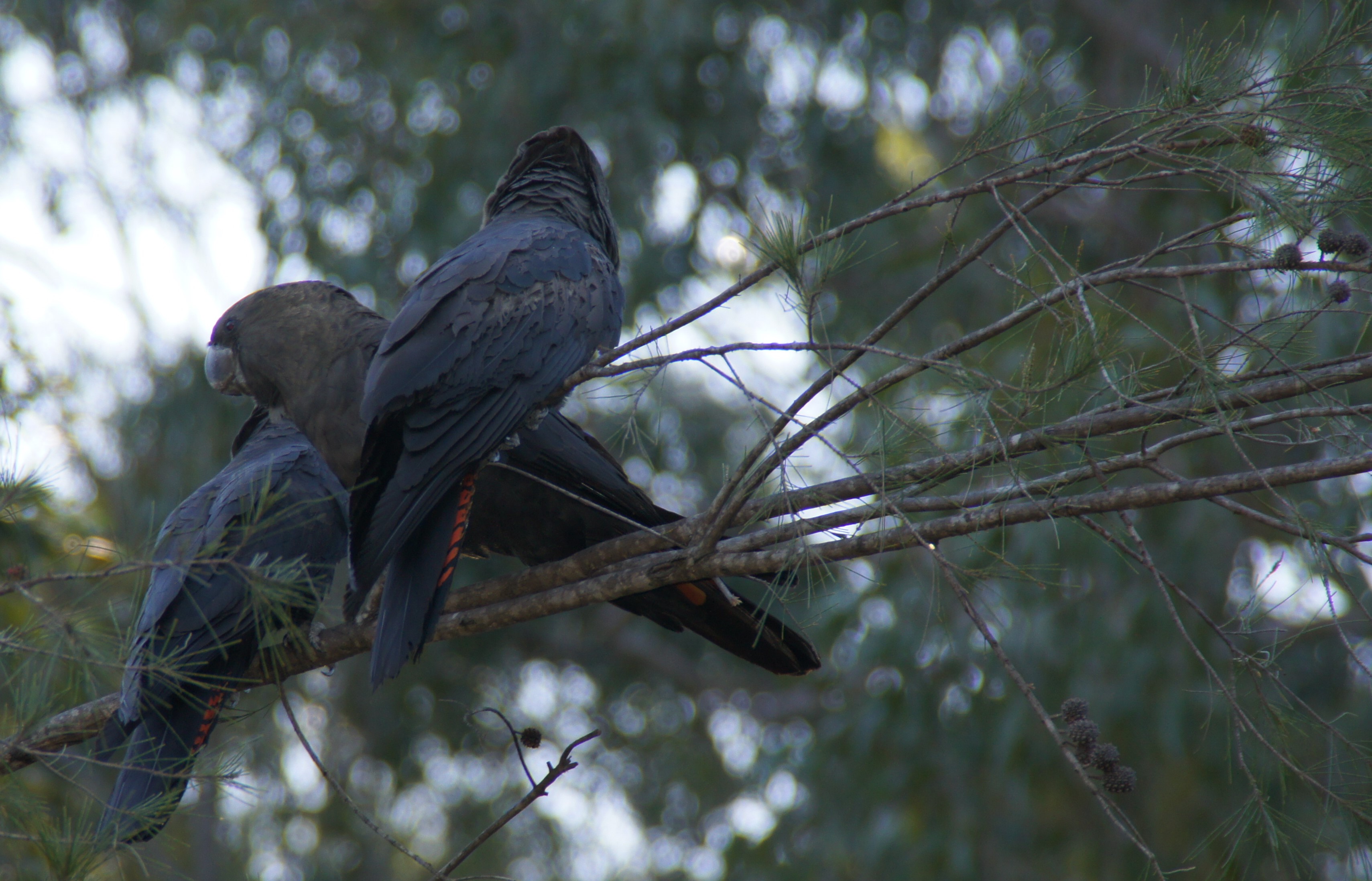
Glossy Black Cockatoos
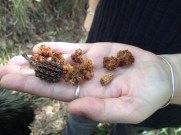
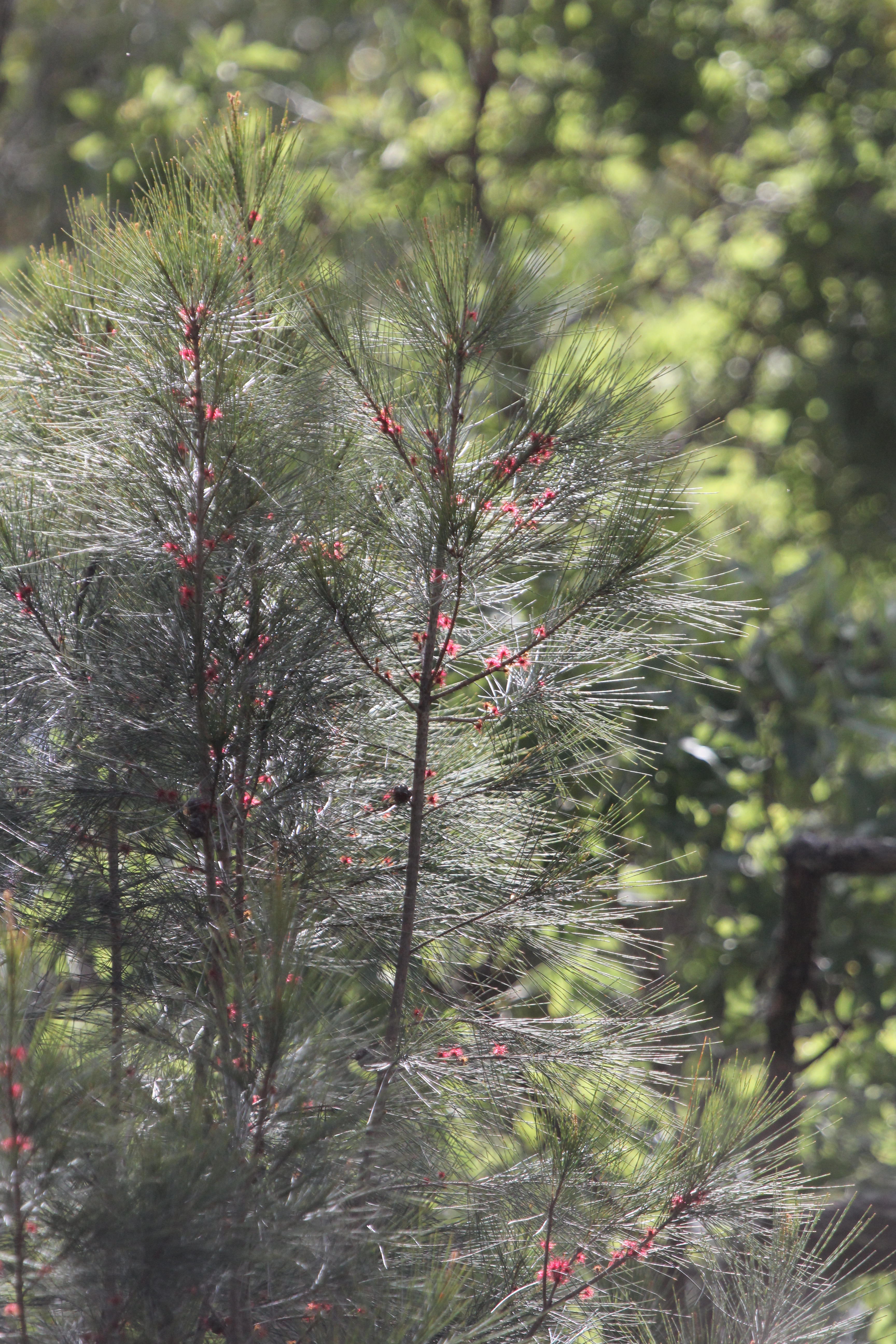
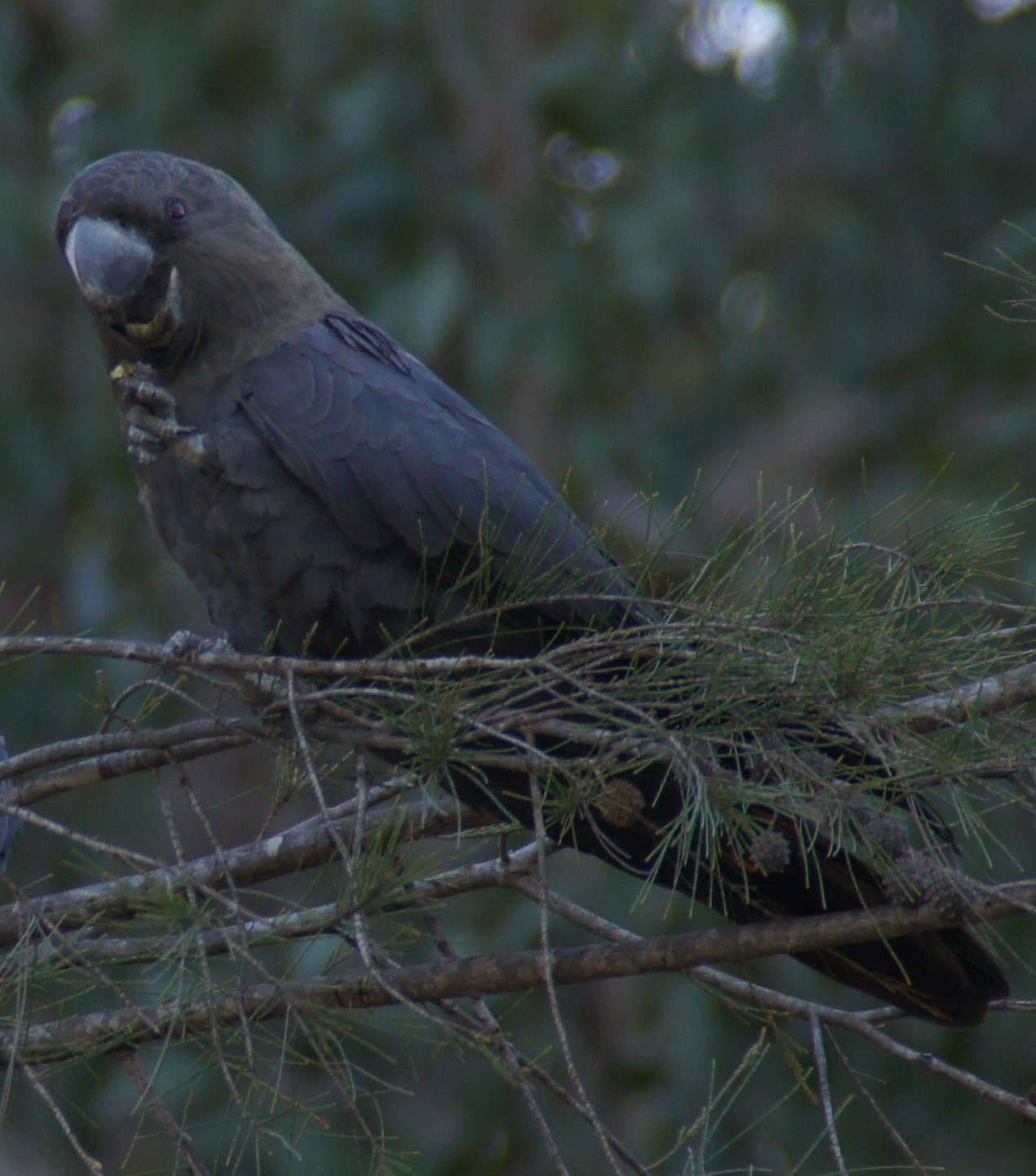
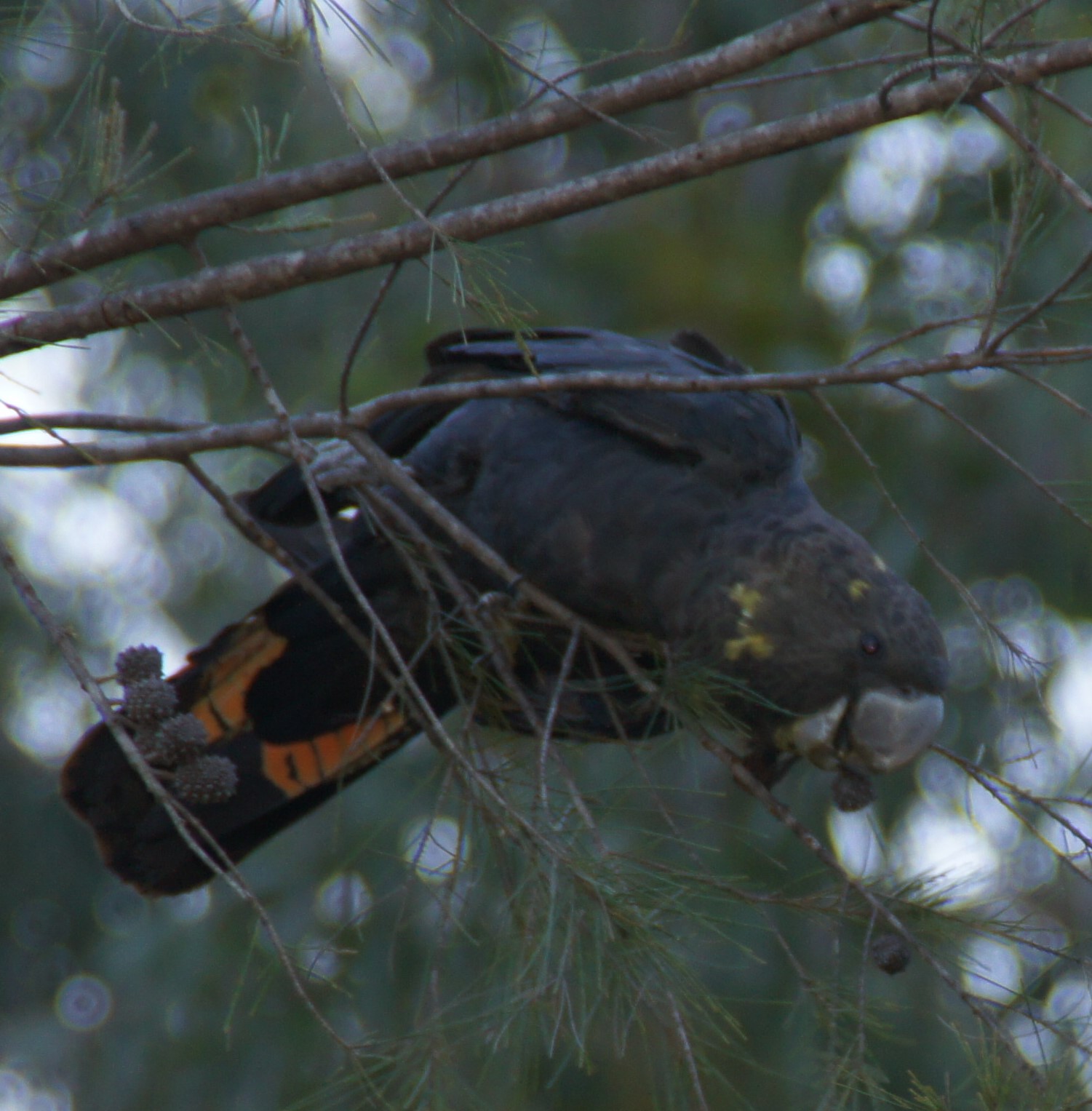
| The glossy black cockatoo (calyptorhynchus lathami) is one of the more threatened species of cockatoo in Australia and is legislated as vulnerable in Queensland and New South Wales. We are delighted that glossy blacks use the area of Wordwood that we call She-Oak Grove for feeding. They feed on black she-oaks (allocasuarina littoralis) (see the photo on the right). In May 2014, our identification was confirmed by expert Lisa Bailey from the Glossy Black Cockatoo Conservancy. She also educated us that they are picky eaters, will only use select feed trees and different family groups feed in different ways (see the photo below).
|
The she-oaks are spreading on Wordwood. In May 2019, we saw the glossy backs feeding in a new area – The Hill near The Easement – see photos below. |
|
|
|
|
|
|
White-Headed Pigeon
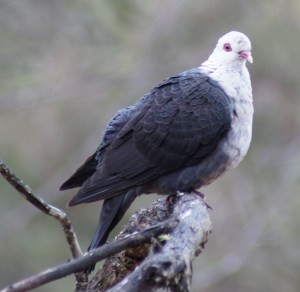
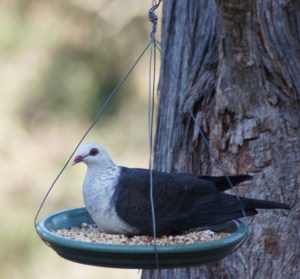
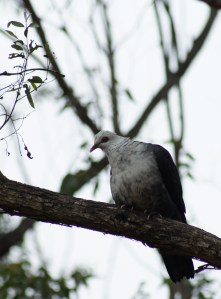
In September 2014, we had a a rare visit from a white-headed pigeon (see the photos below). They are usually rainforest dwellers. It came to our feeder just a few feet away from The Nook. It stayed for most of the morning, ignoring our activities. It fed happily and then sat out a shower of rain.
 |
 |
 |
Eastern Yellow Robin
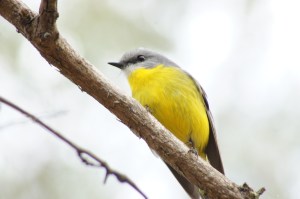 |
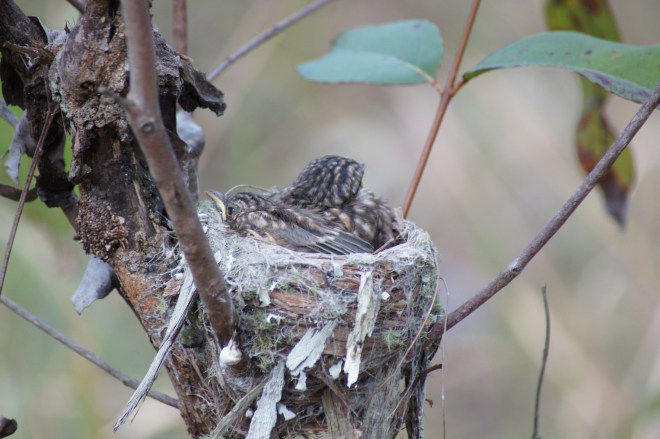
In August 2015, we found a nest with 2 eastern yellow robin chicks on the part of Wordwood that we call The Hill (see the photos below). The nest was in a gum sapling, only about 1 metre from the ground. Doesn’t seem like a smart survival strategy to nest so close to the ground. However, Mum was standing guard (see the photos on the left and right). | 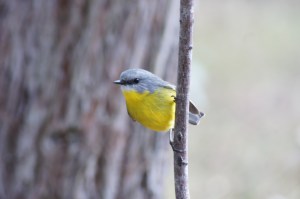 |
 |
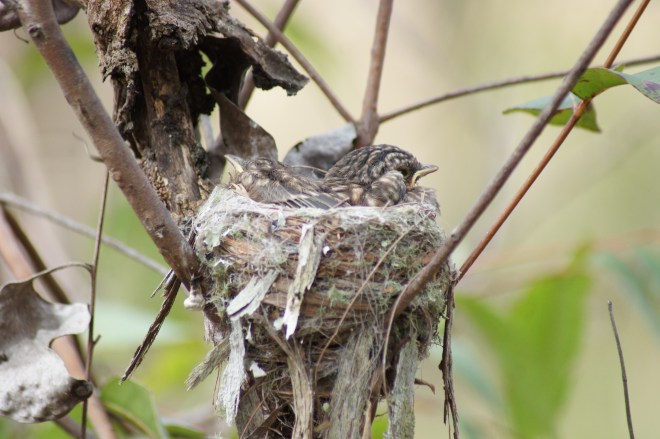 |
Pied Cormorant
| A pied cormorant is a regular visitor to Wordwood’s dam, often sitting on the floating island that Pete made and anchored in the dam. In September 2014, we captured the cormorant on a wildlife camera at a waterhole on the part of Wordwood that we call Little Creek (see the photo below). |  |
Nests
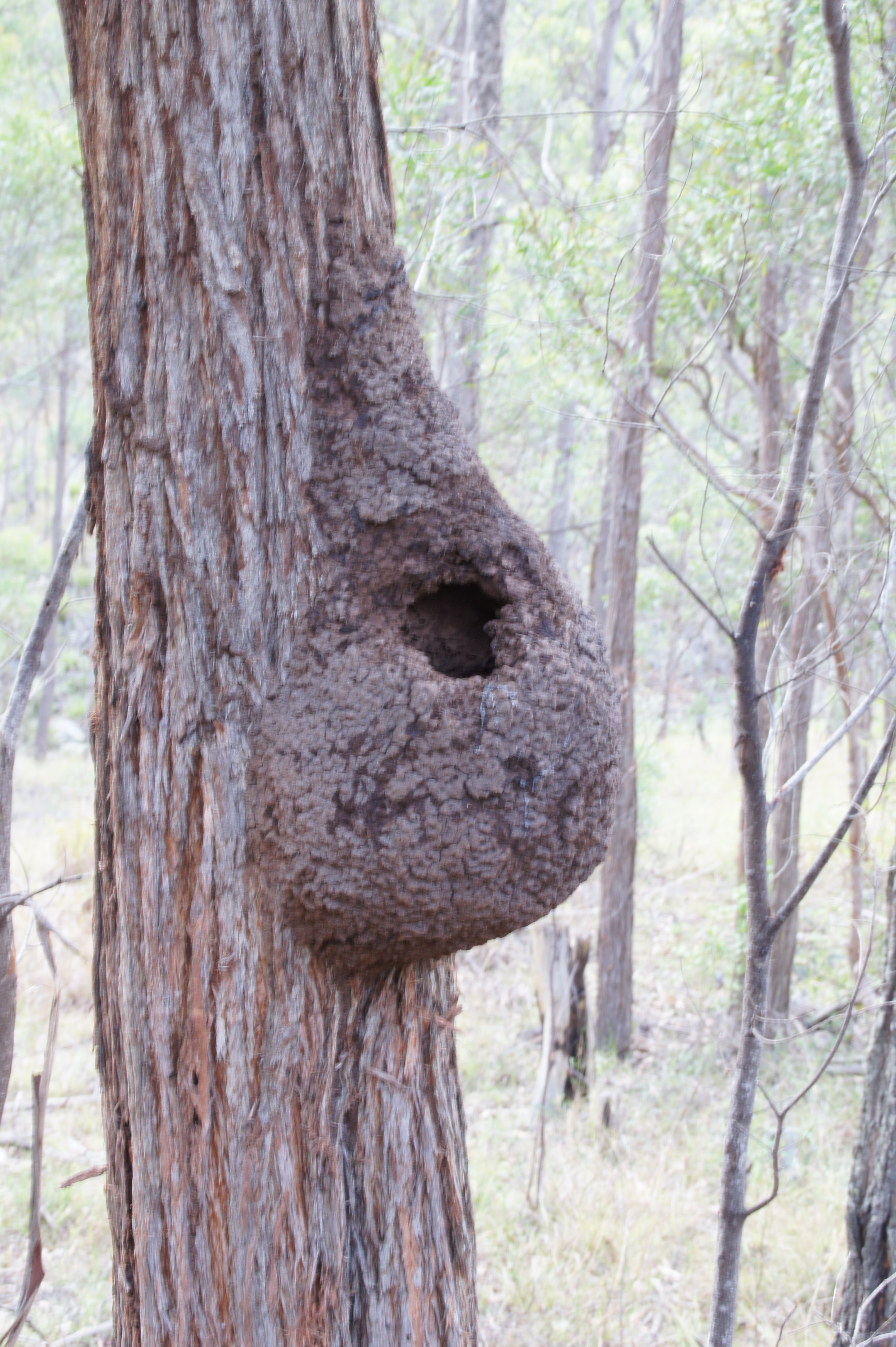
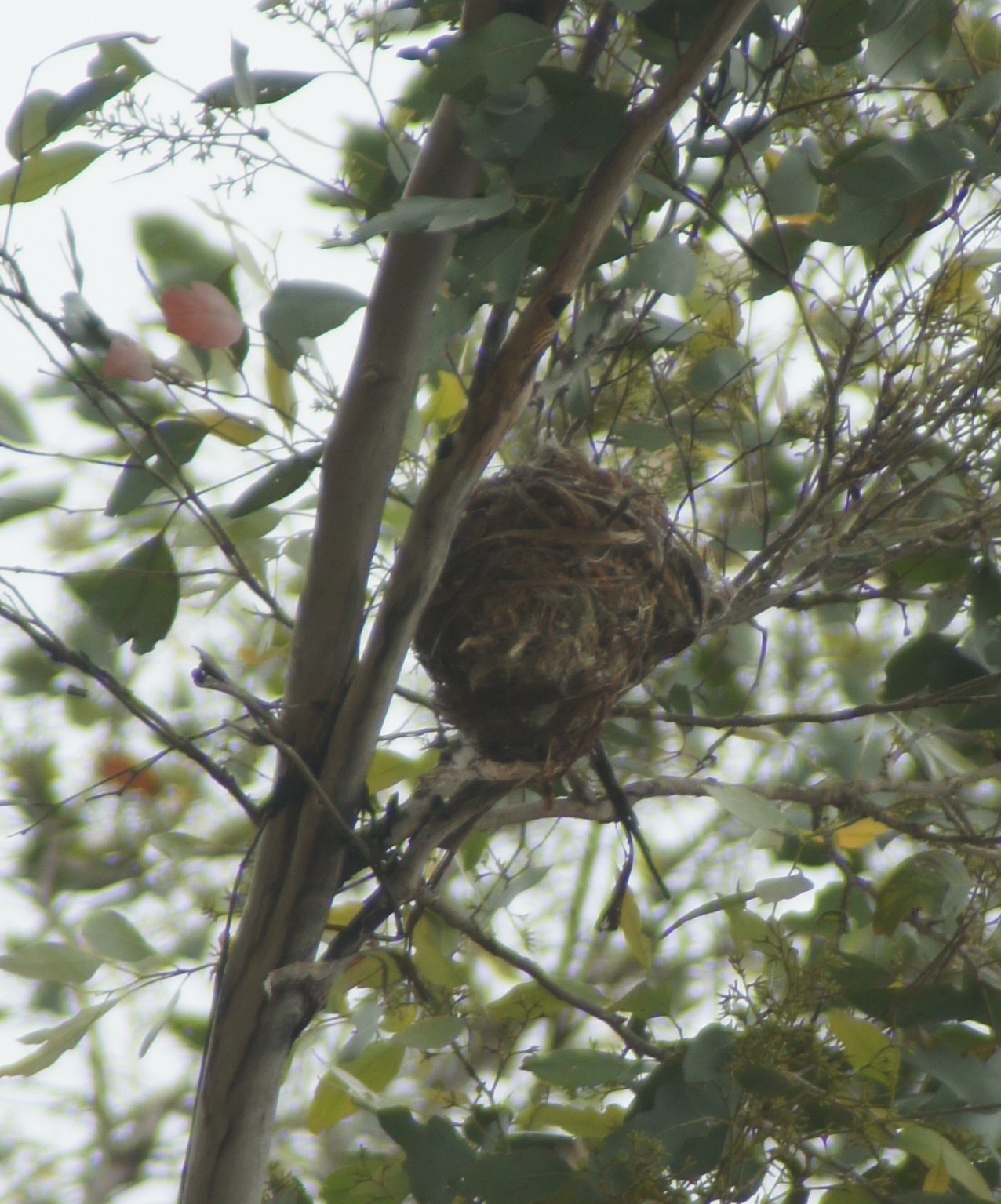
| In the gully running down from The Nook, kooaburras use ant mounds in gum trees as nests (see the photo on the near right).Since December 2012, noisy friarbirds have periodically nested in a gum tree with a feeder near The Nook (see the photo on the far right).
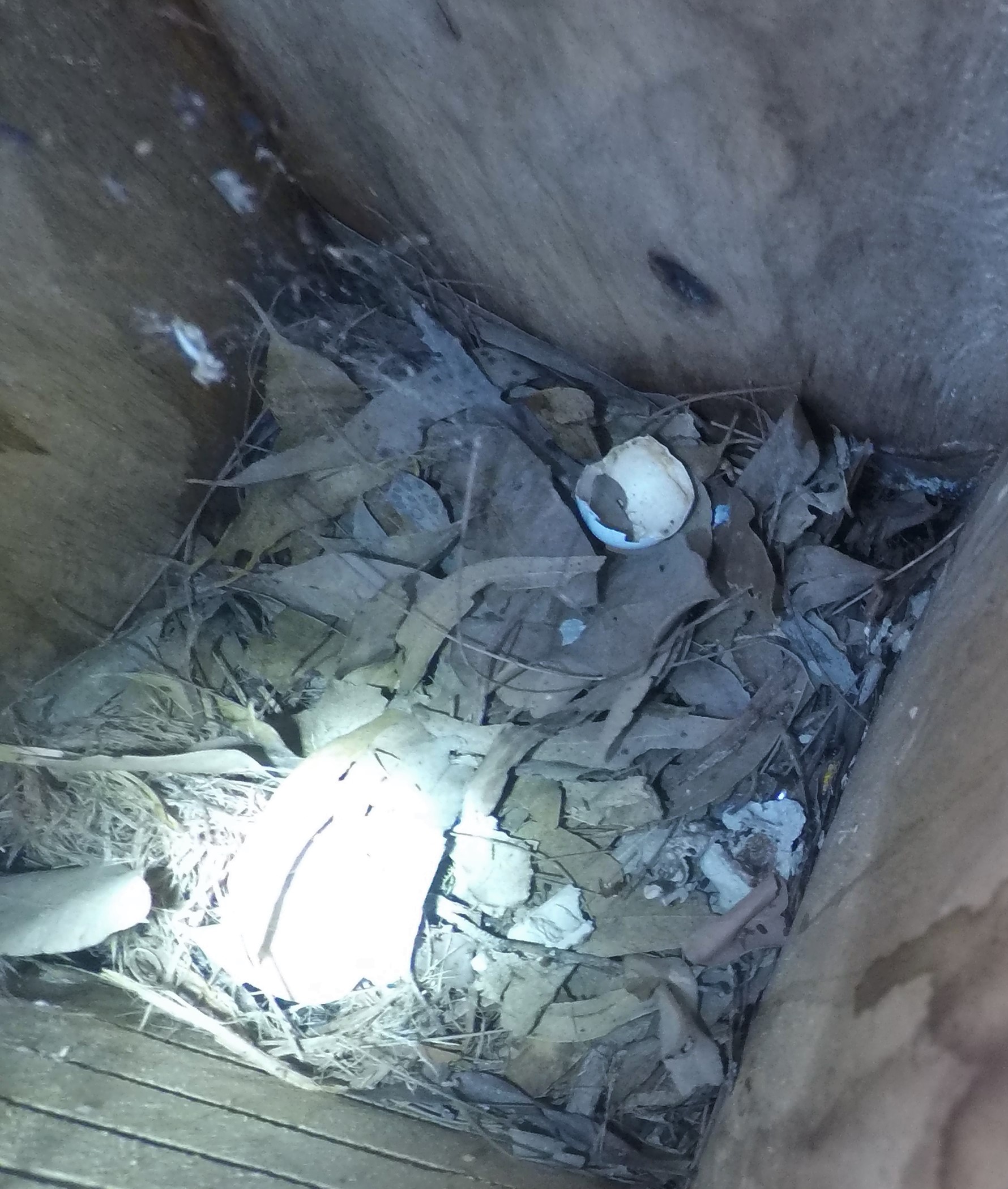
In December 2015, currawongs with at least 1 chick nested high up in a gum tree near The Nook. Easter 2019 we located an unknown egg shell – maybe an owlet nightjar – in a nest box hung late 2016.
|
  |
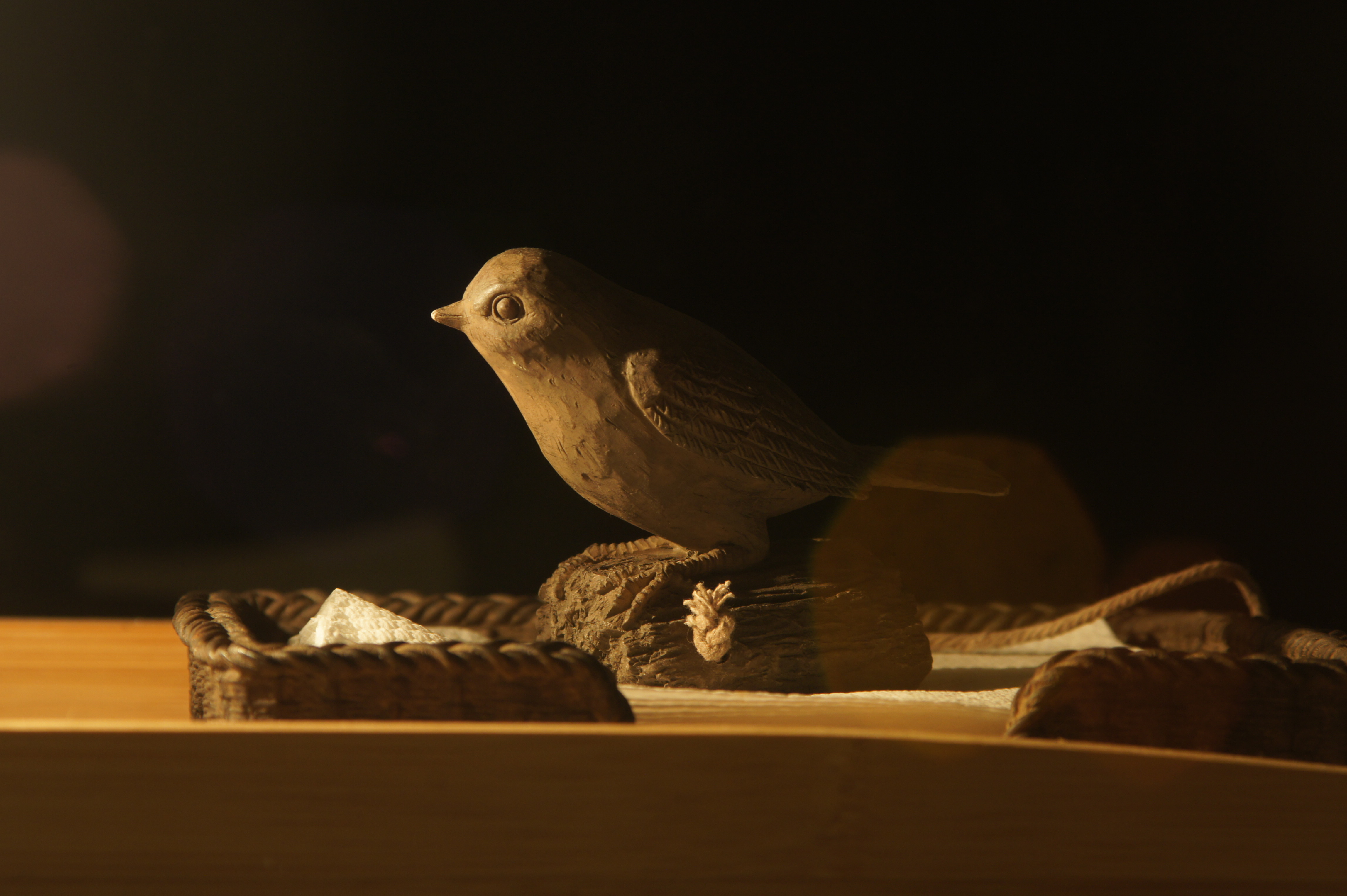
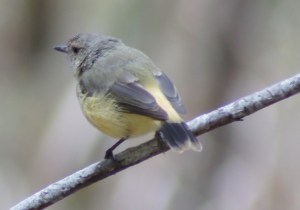
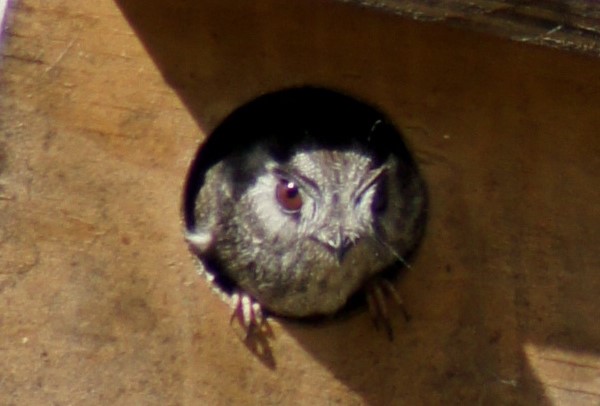
Bird Photo Gallery
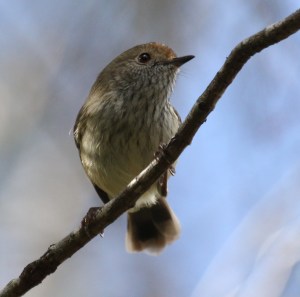
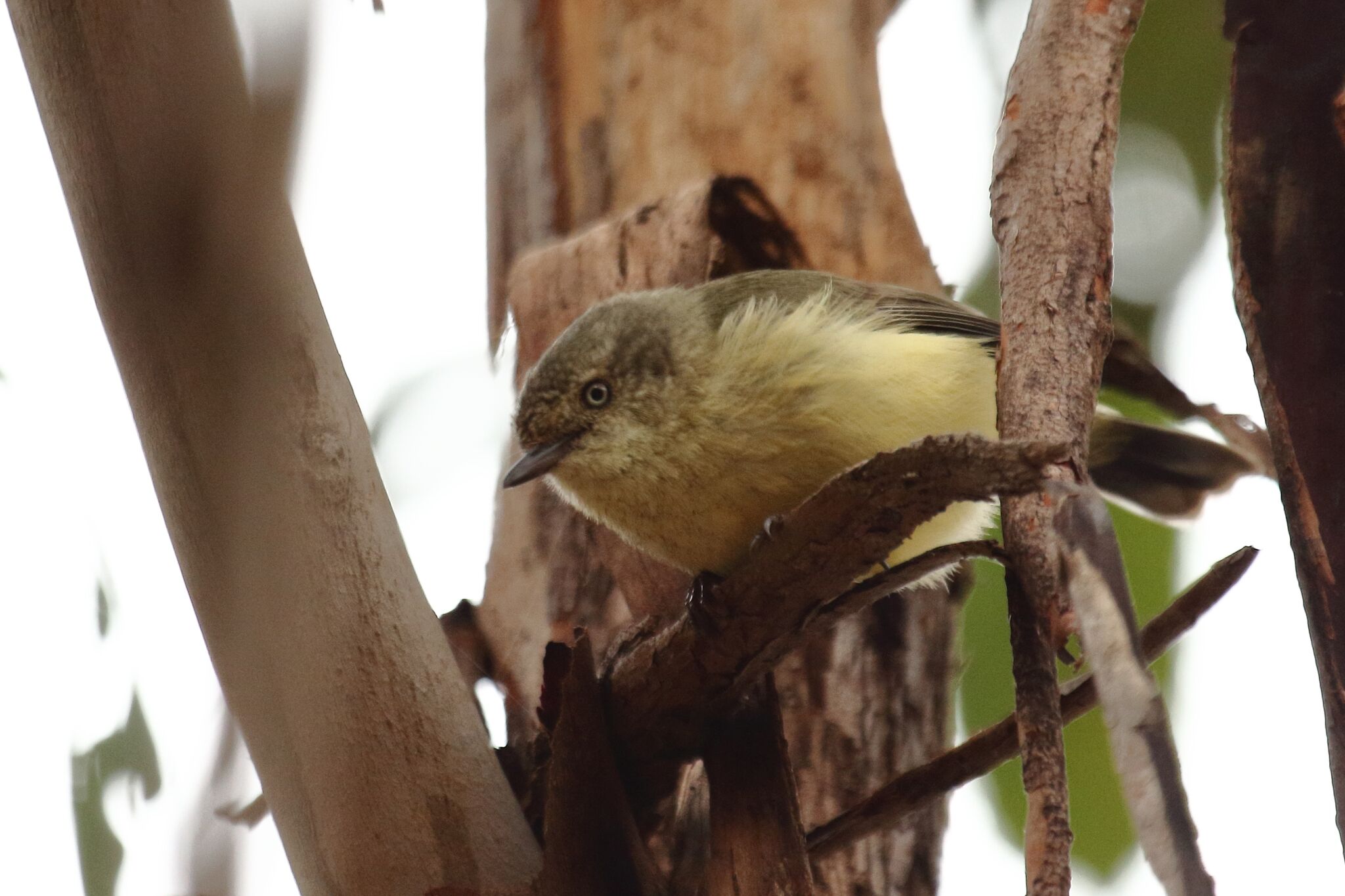
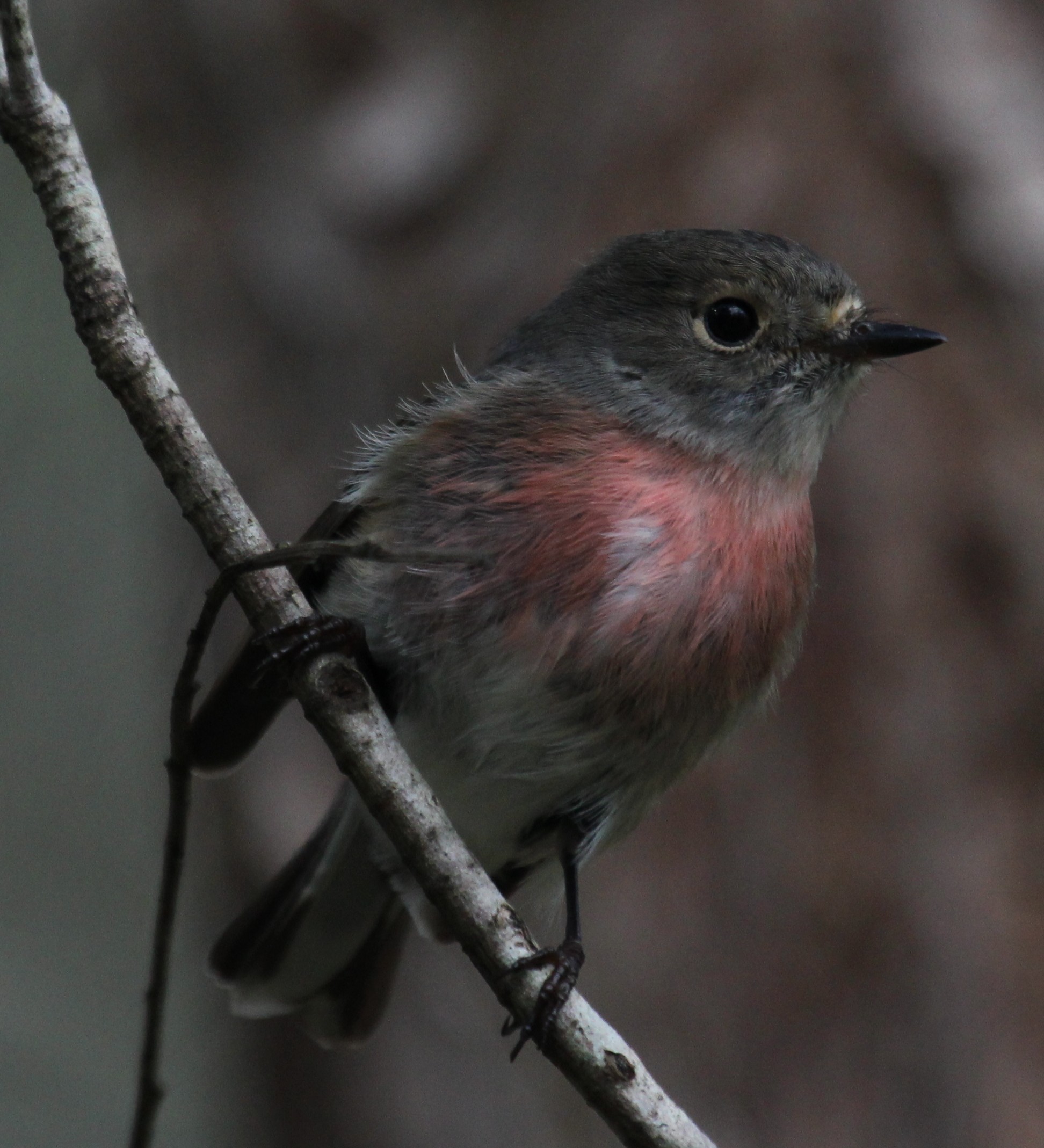
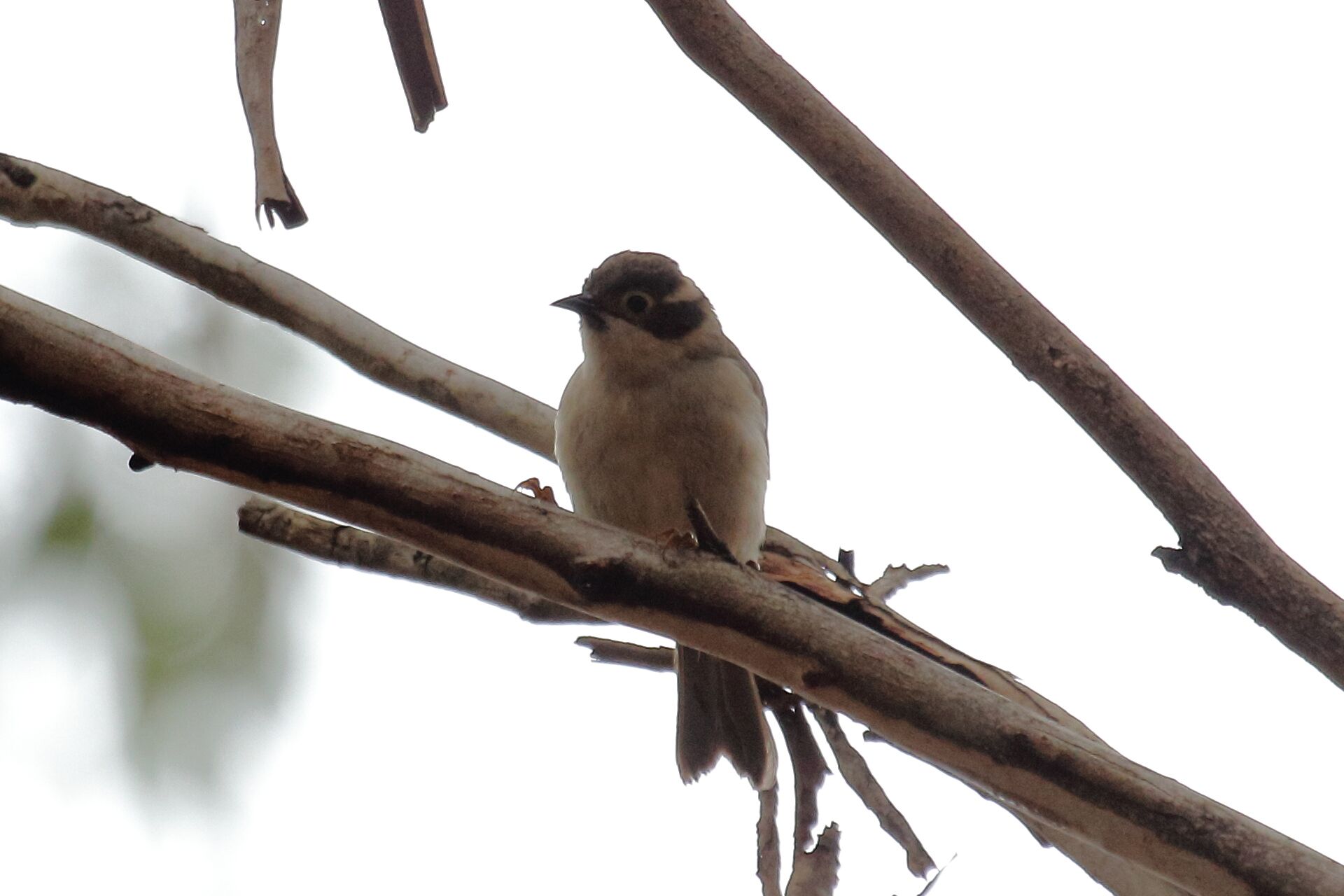
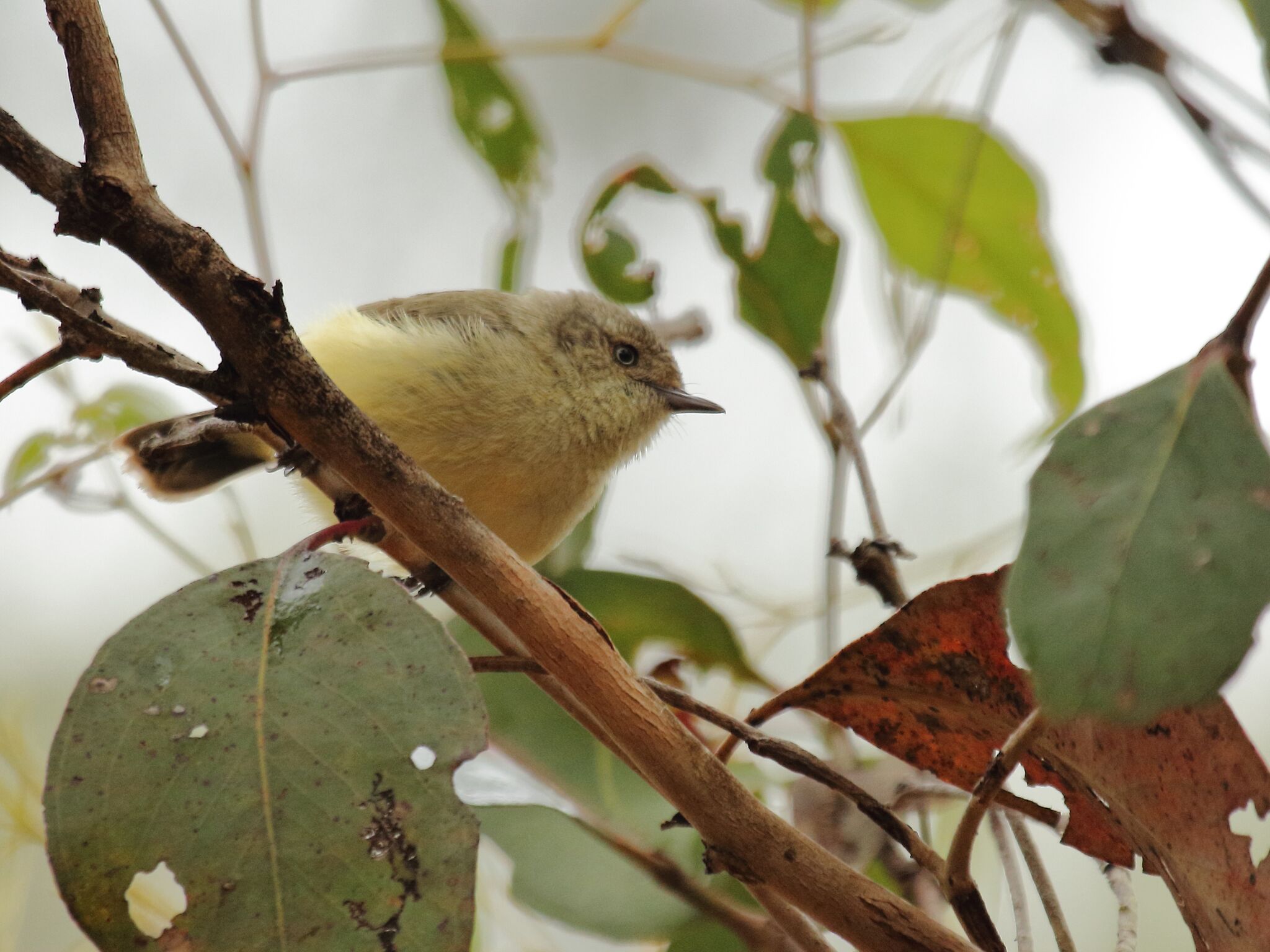
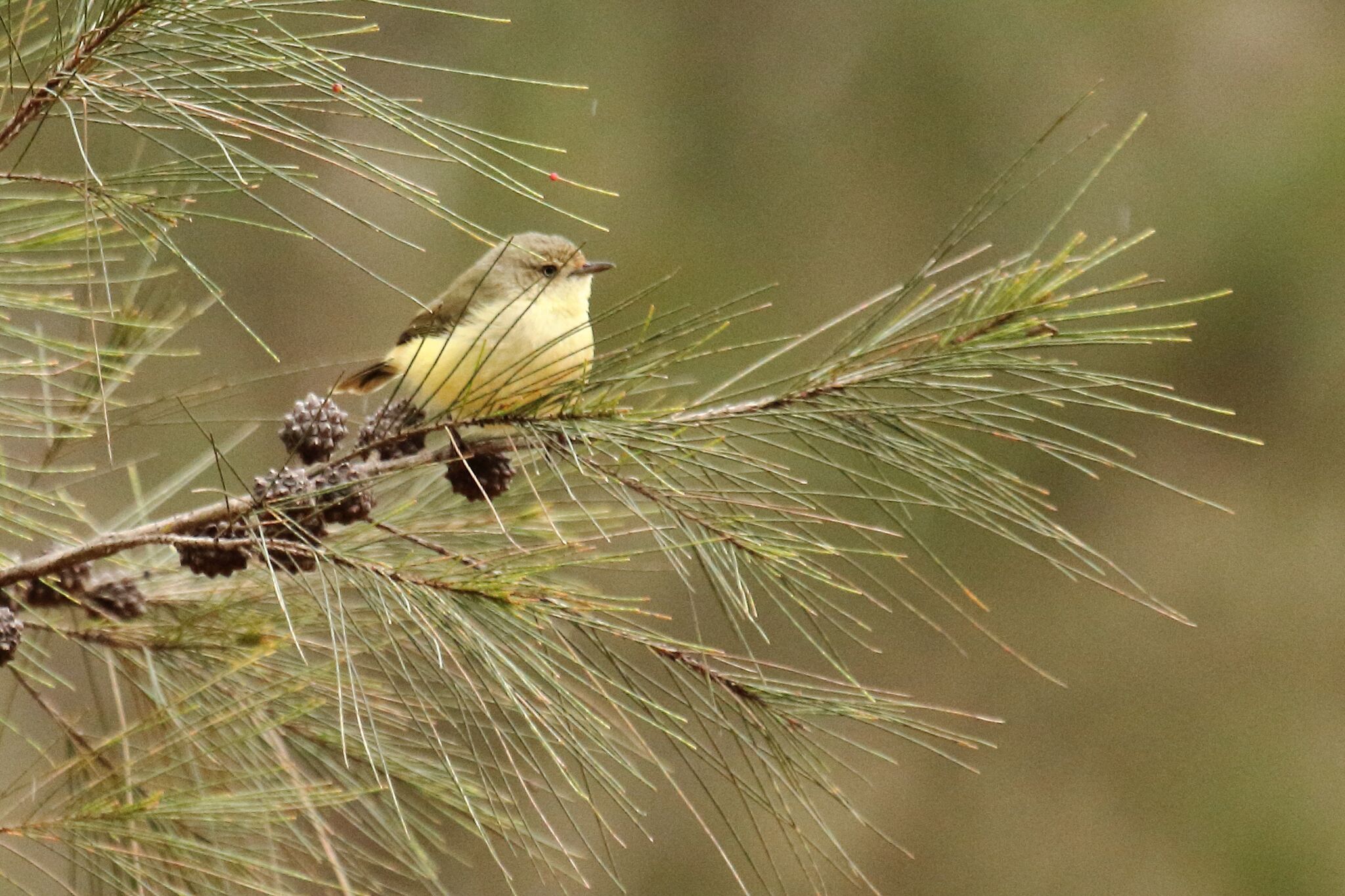
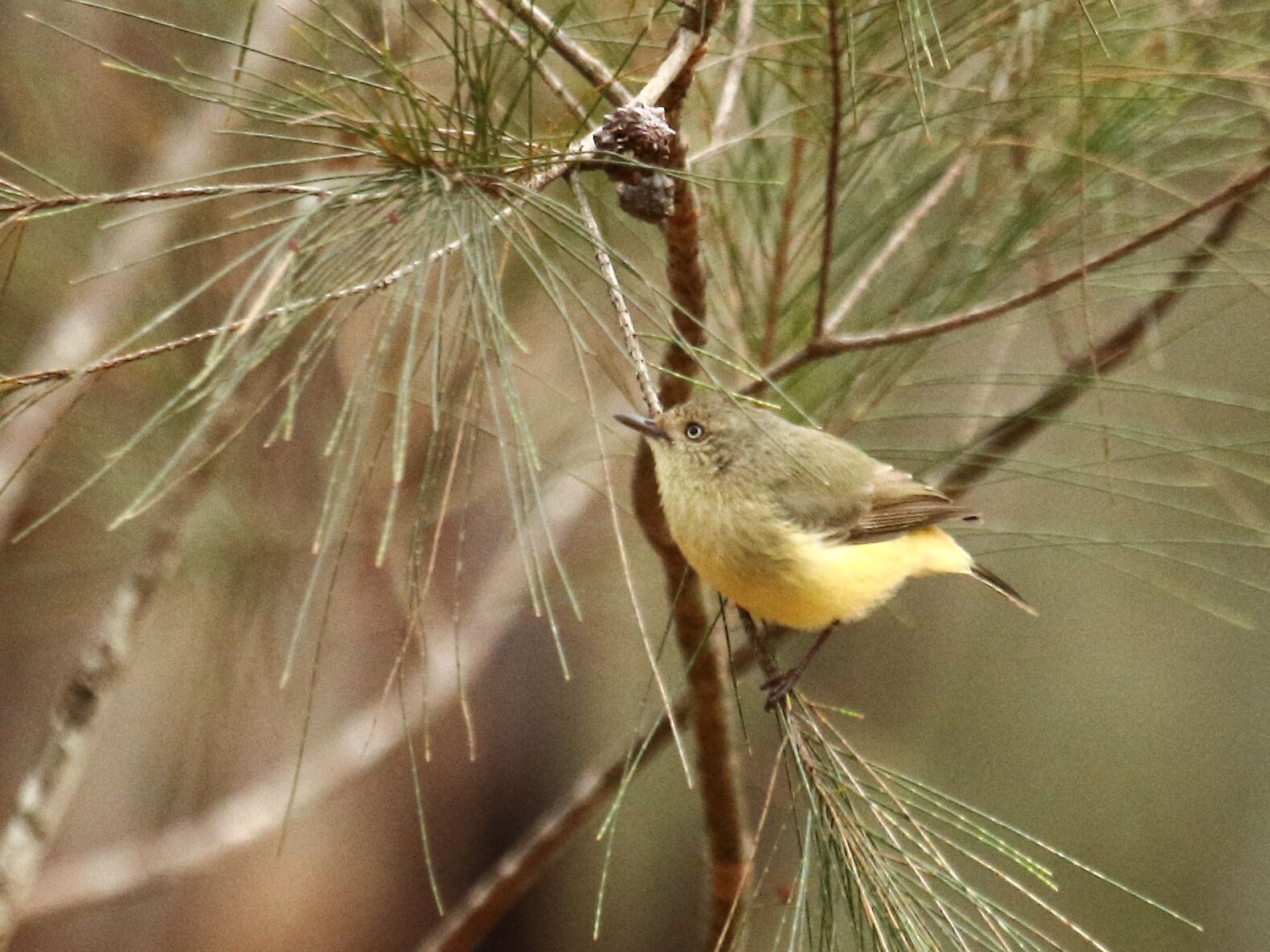
Top row left to right: Forest Kingfisher, White-throated Treecreeper, Pete’s art photography, Weebill, Owlet Nightjar
Second row left to right: Thornbill (credit: Deb Metters), Pete’s art photography, Rose Robin (credit: Deb Metters)
Third row left to right: Brown-headed Honeyeater, Buff-rumped Thornbill x 4 (row credit: Deb Metters September 2018)
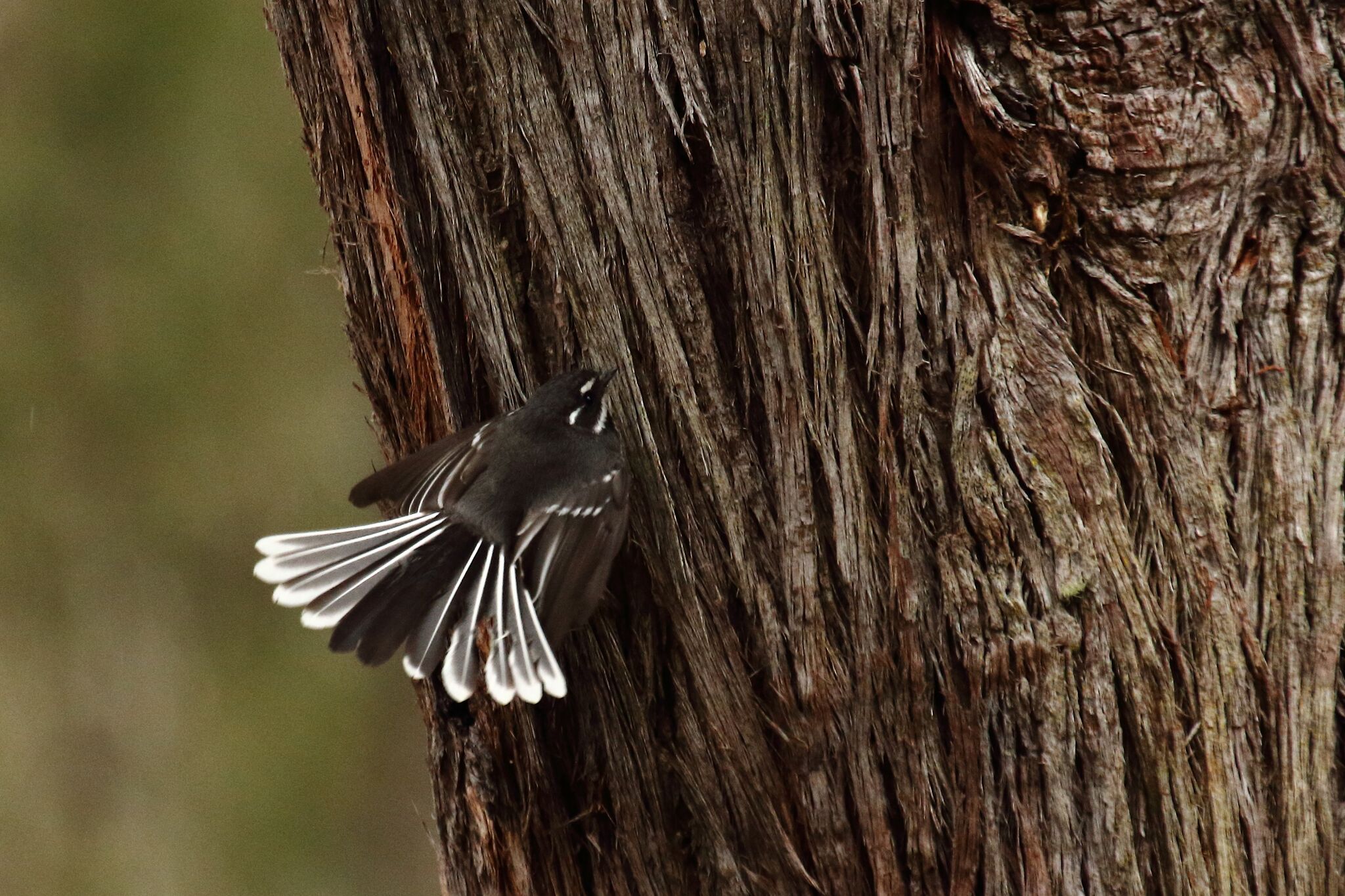
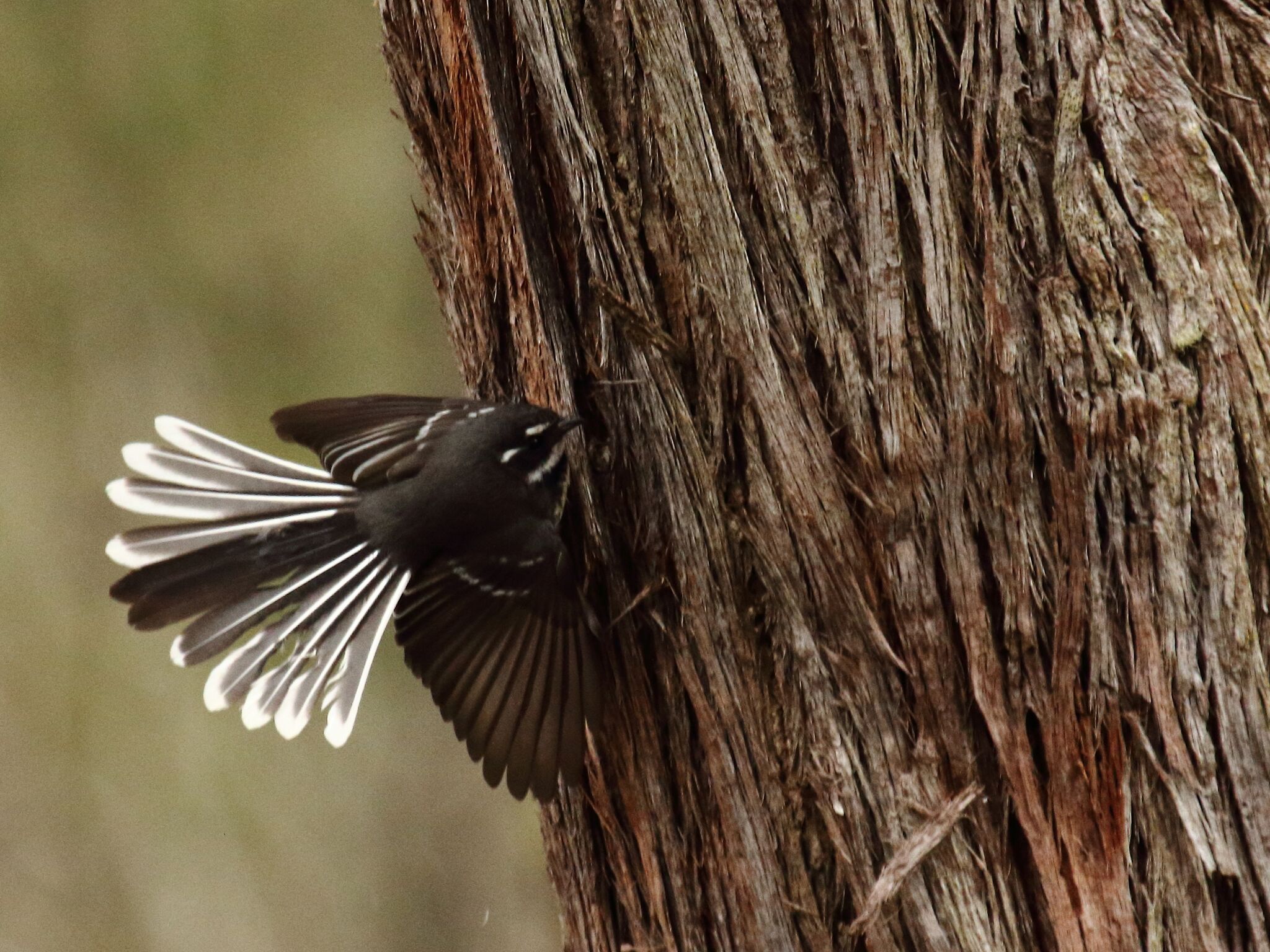
Fourth row left to right: Grey Fantail x 3, Red-browed Firetail Finch (row credit: Deb Metters September 2018)
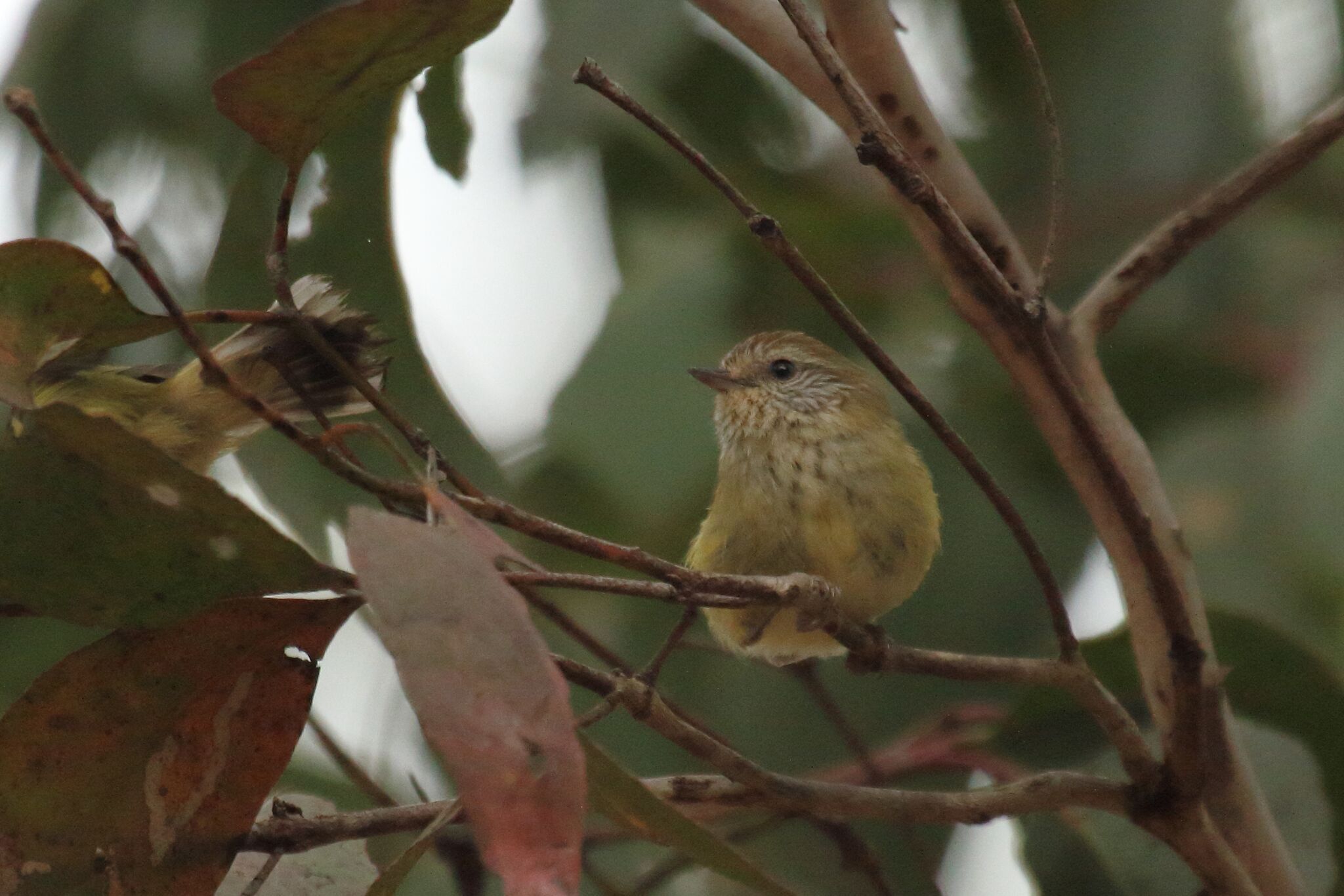
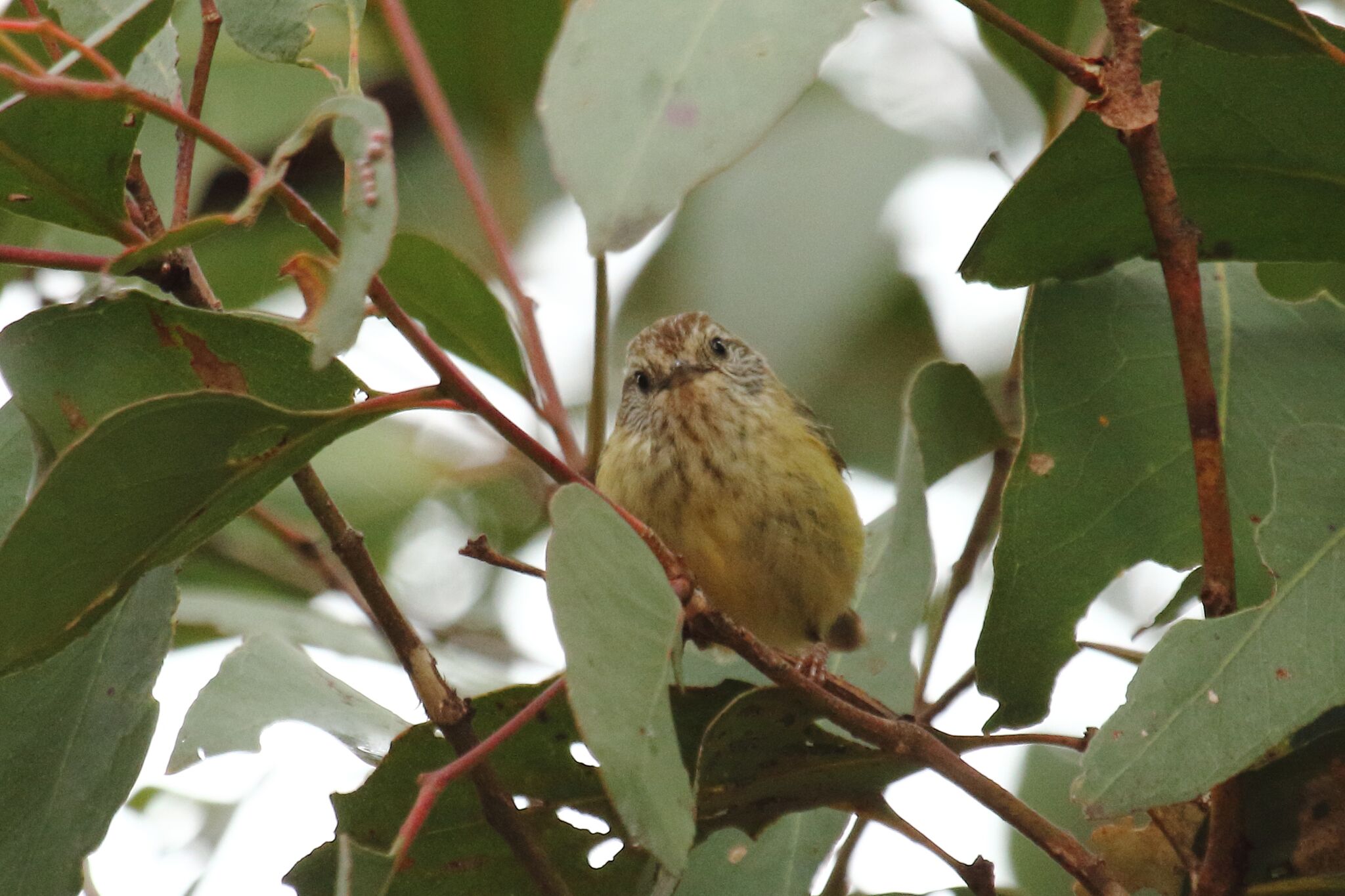
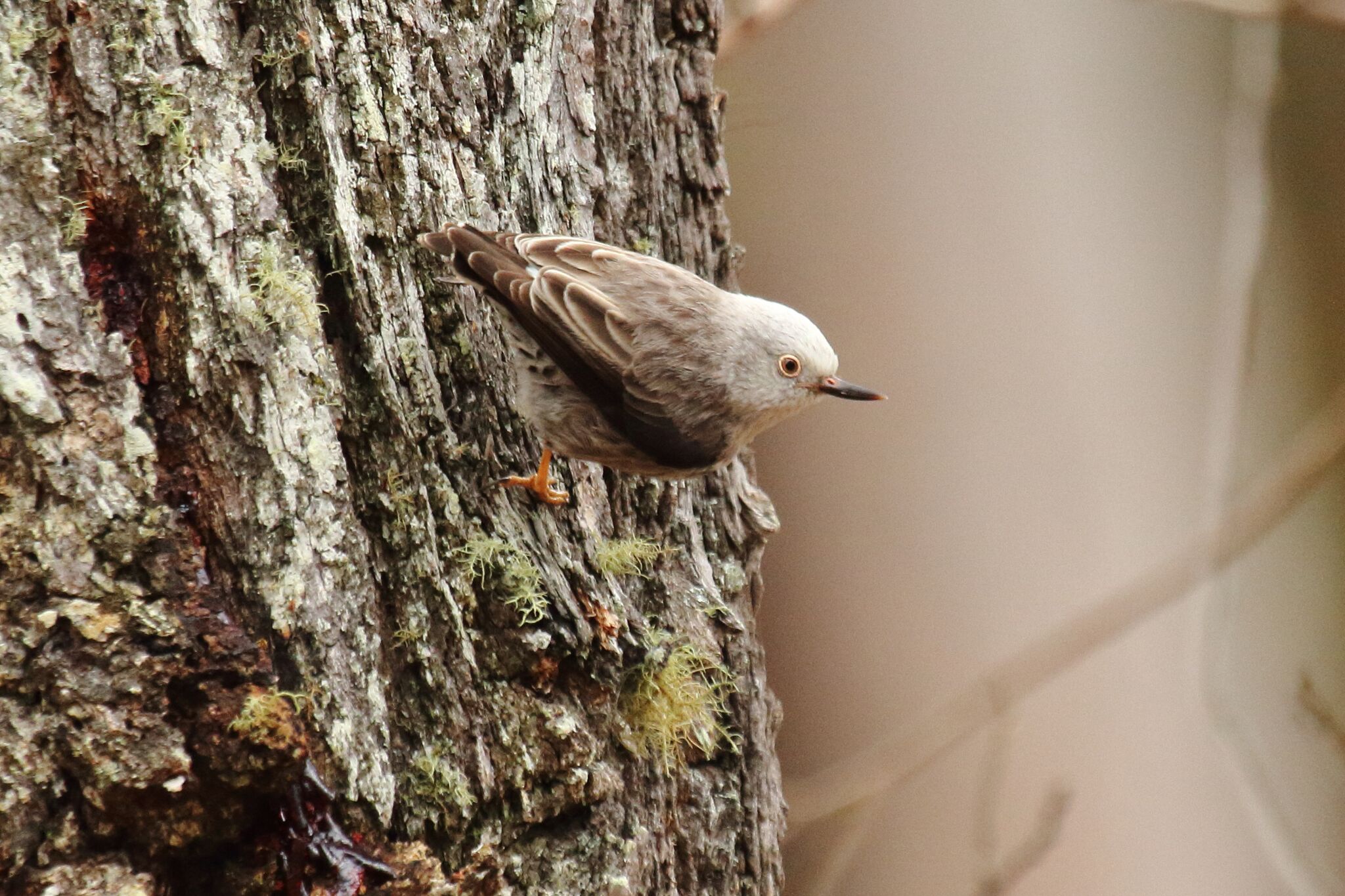
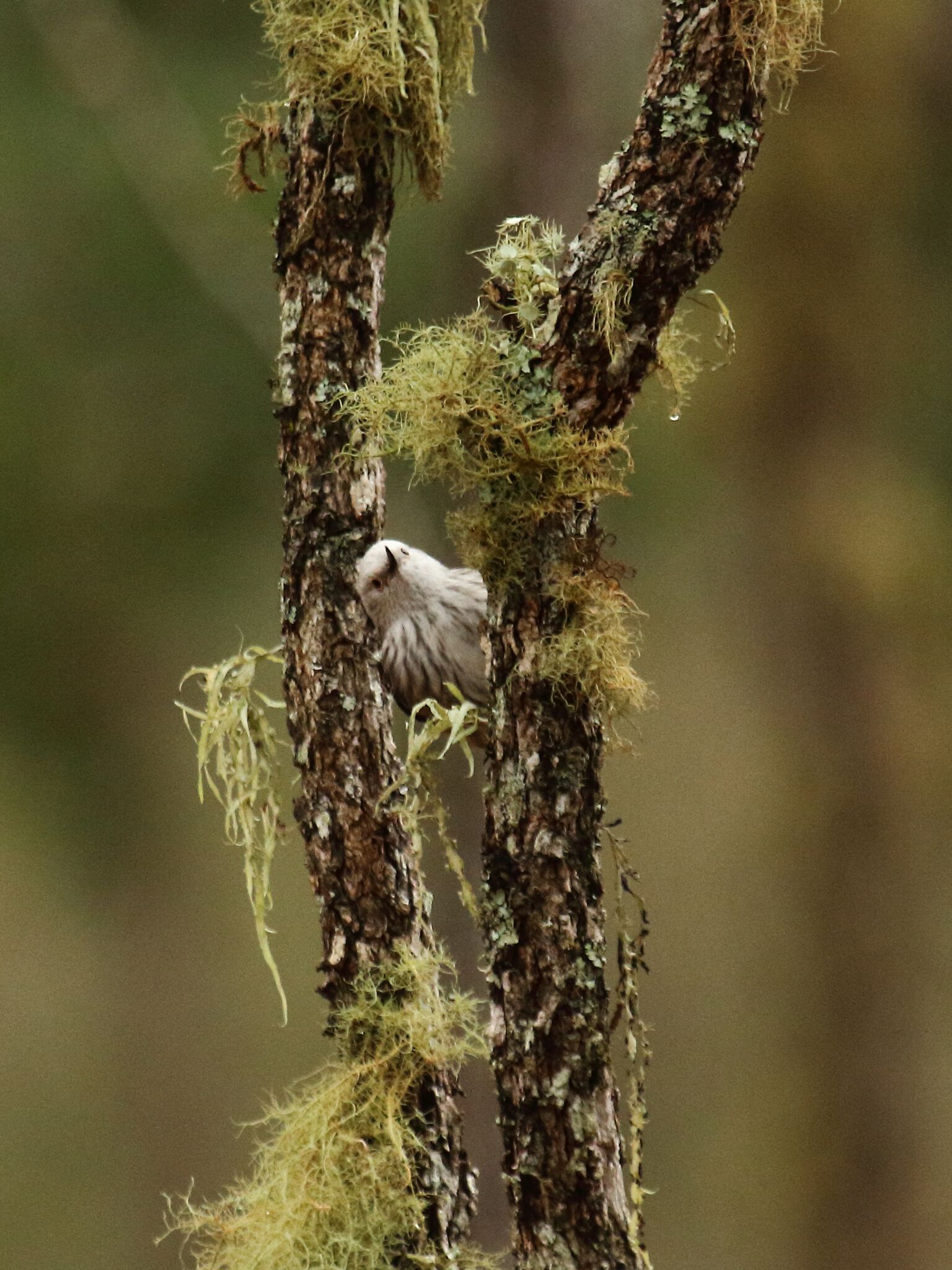
Fifth row left to right: Striated Thornbill x 2, Varied Sittella x 2 (row credit: Deb Metters September 2018)
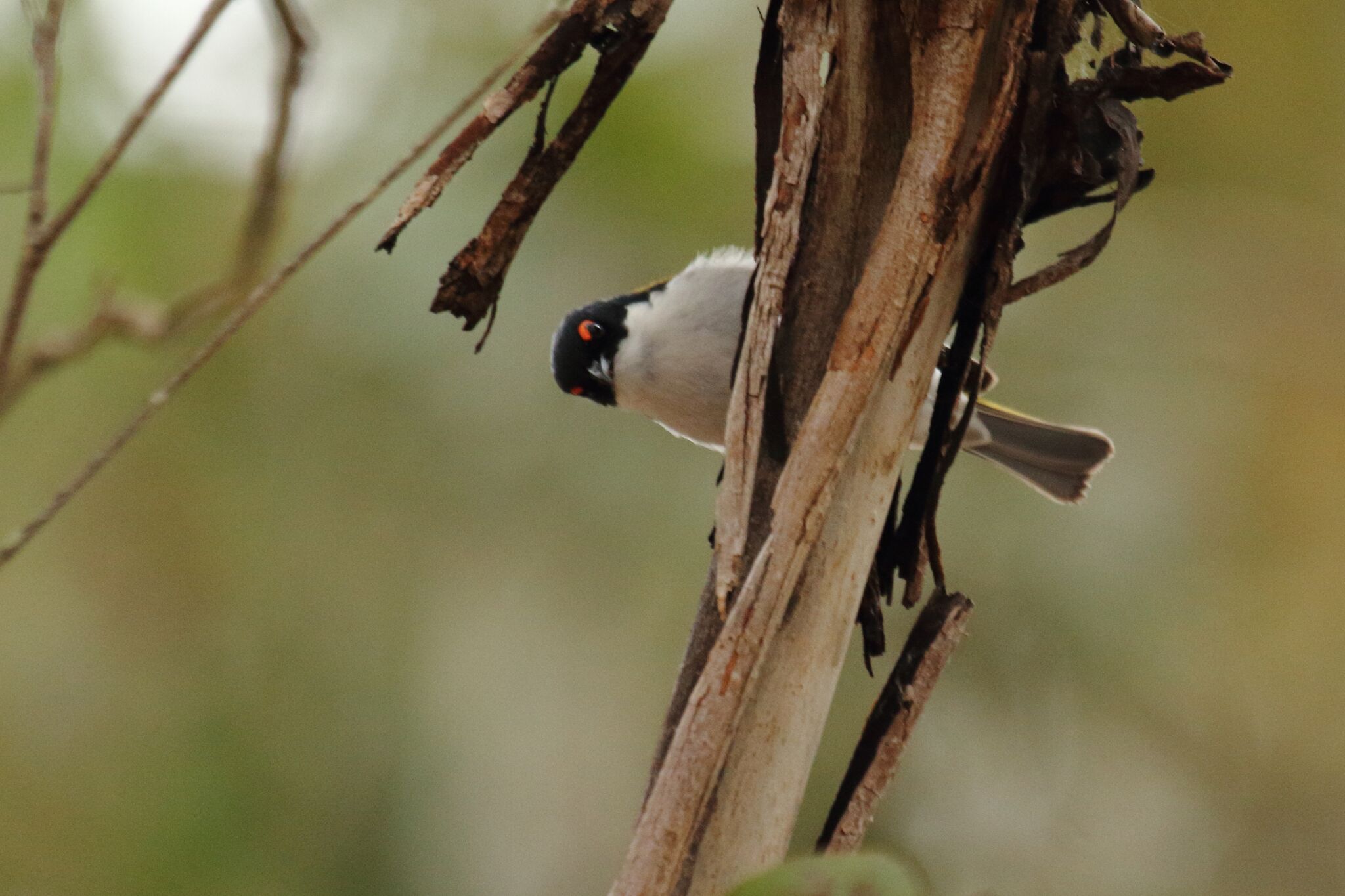
Bottom row left to right: White-naped Honeyeater x 2 (row credit: Deb Metters September 2018)
 |
 |
 |
 |
 |
 |
 |
 |
 |
 |
 |
 |
 |
|
|
 |
 |
 |
|
 |
 |
 |
 |
 |
 |
Frogs
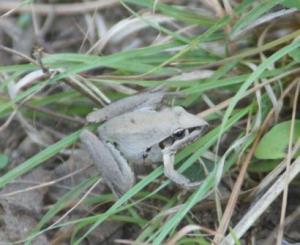
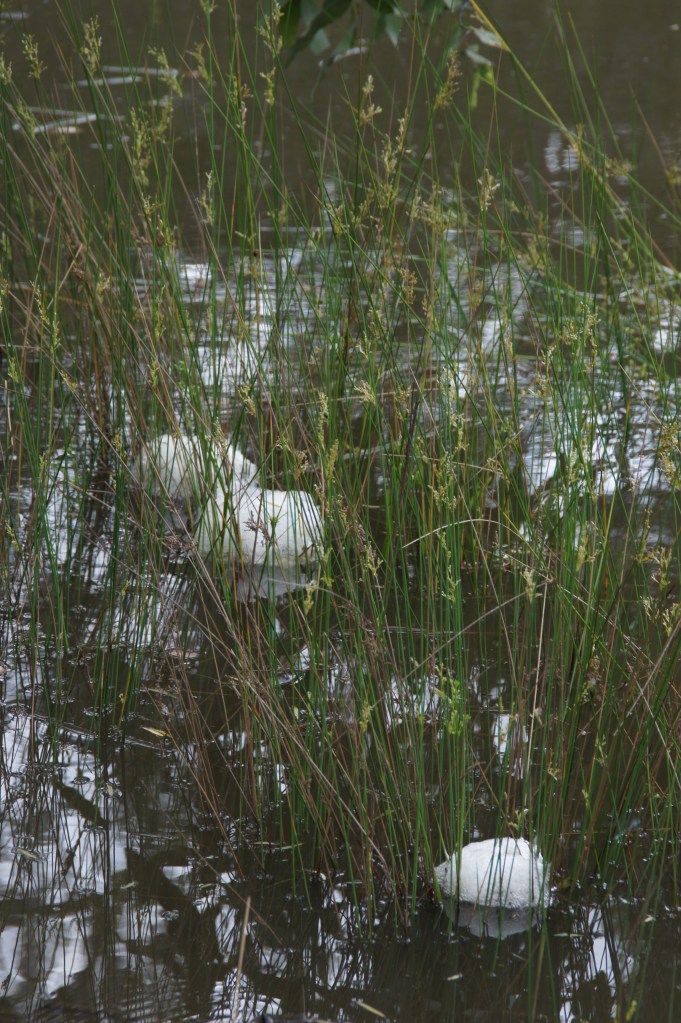
Wordwood has a surprising number and variety of frogs. We take this as a sign of its health. After the first of the Spring rains in November 2015, we went up to the dam one evening and the frog calls were deafening. We recorded them (listen to the recording by clicking on the red button below) and sent them to the Queensland Museum for identification. The museum staff identified at least 5 species – bleating tree frog, eastern sedge frog, emerald spotted tree frog, scarlet sided pobblebonk and broad-palmed rocket frog (see the photo below left). A Land for Wildlife SE Queensland officer also thought there was an additional species – ornate burrowing frog. The next morning, the dam was covered in frog spawn (see the photo below right).
 |
 |
Snakes
| One of the first animals we spotted at Wordwood, in October 2011, was a red-bellied black snake. We named it Sir Bernard Black and treated it with great respect. We found further evidence of it, or another red-bellied black snake, over near the dam in January 2014 – a big snake skin, eye holes and all. We found a similar skin in March 2015 at the top of the hill above the place on Wordword that we call Platypus Junction (see the photo on the right, measured against a deck of cards). On morning after we recorded the frog spawn in November 2015 (see above), we spotted Sir Bernard Black or another red-bellied black snake swimming in the dam. It stayed underwater for at least 20 mins. The evening before we saw a very small black snake on the drive way. Maybe Sir Bernard is a she and has a baby? | 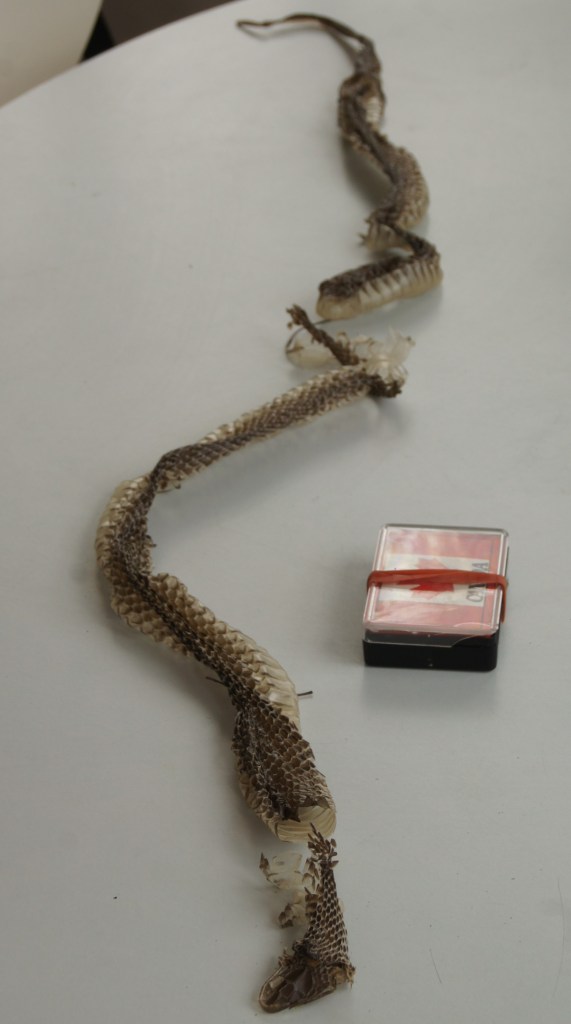 |
Lizards
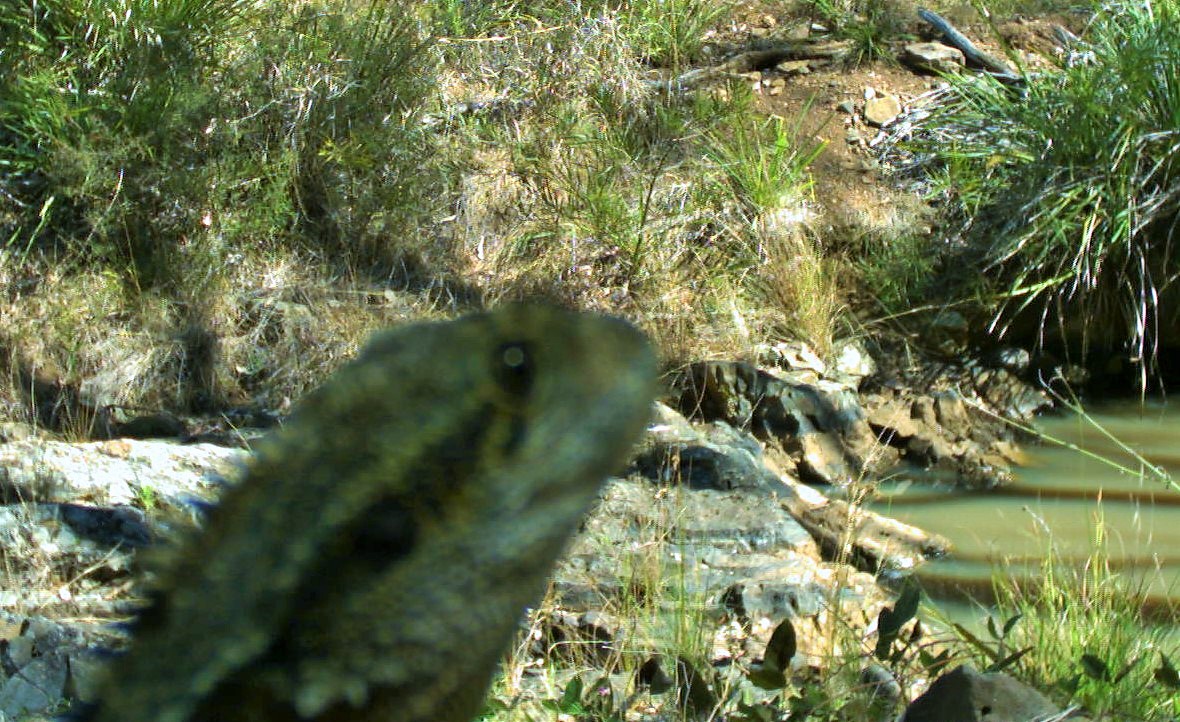
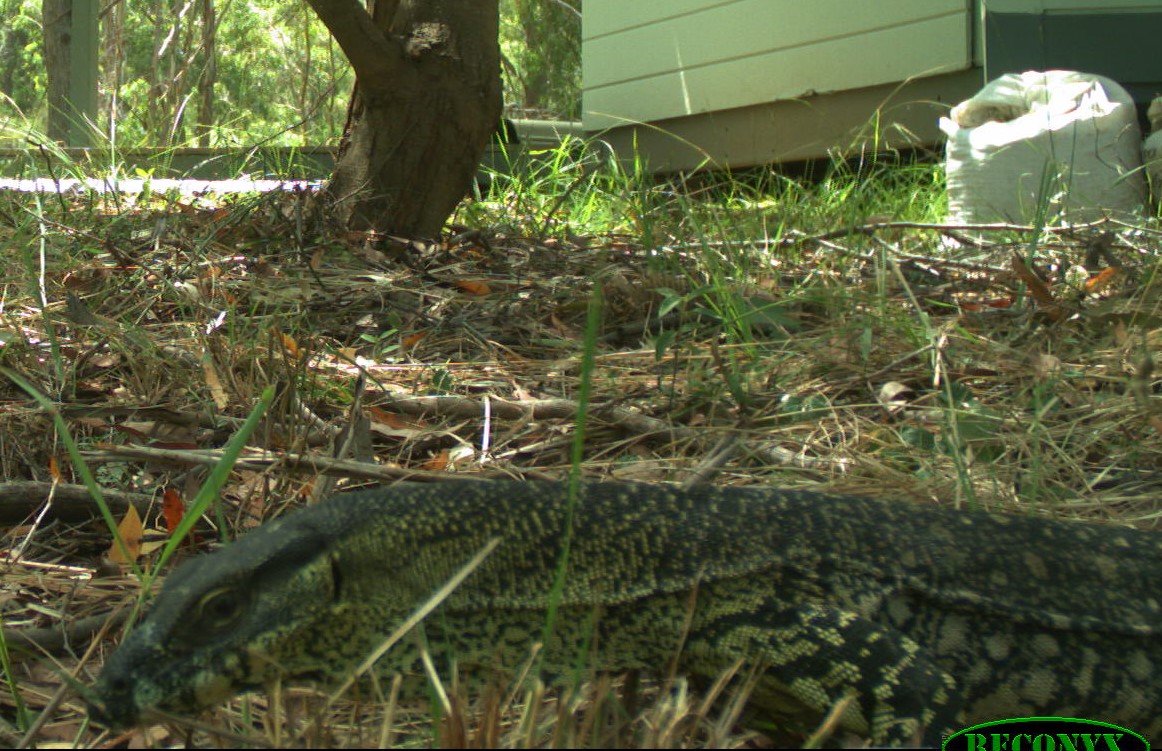
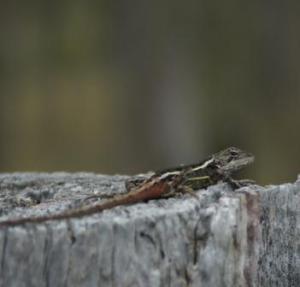
In the first 2 years after we purchased Wordwood, we noticed just one lizard – a nobby dragon (see the photo below left). We now spot lizards more frequently. In September 2014, we caught a water dragon on the wildlife camera at a waterhole on the place at Wordwood that we call Little Creek (see the photo blow centre). In May 2015, we caught a lace monitor (goanna) on the wildlife camera at The Nook (see the photo blow right).
|
|
 |
 |
Creepy Crawlies
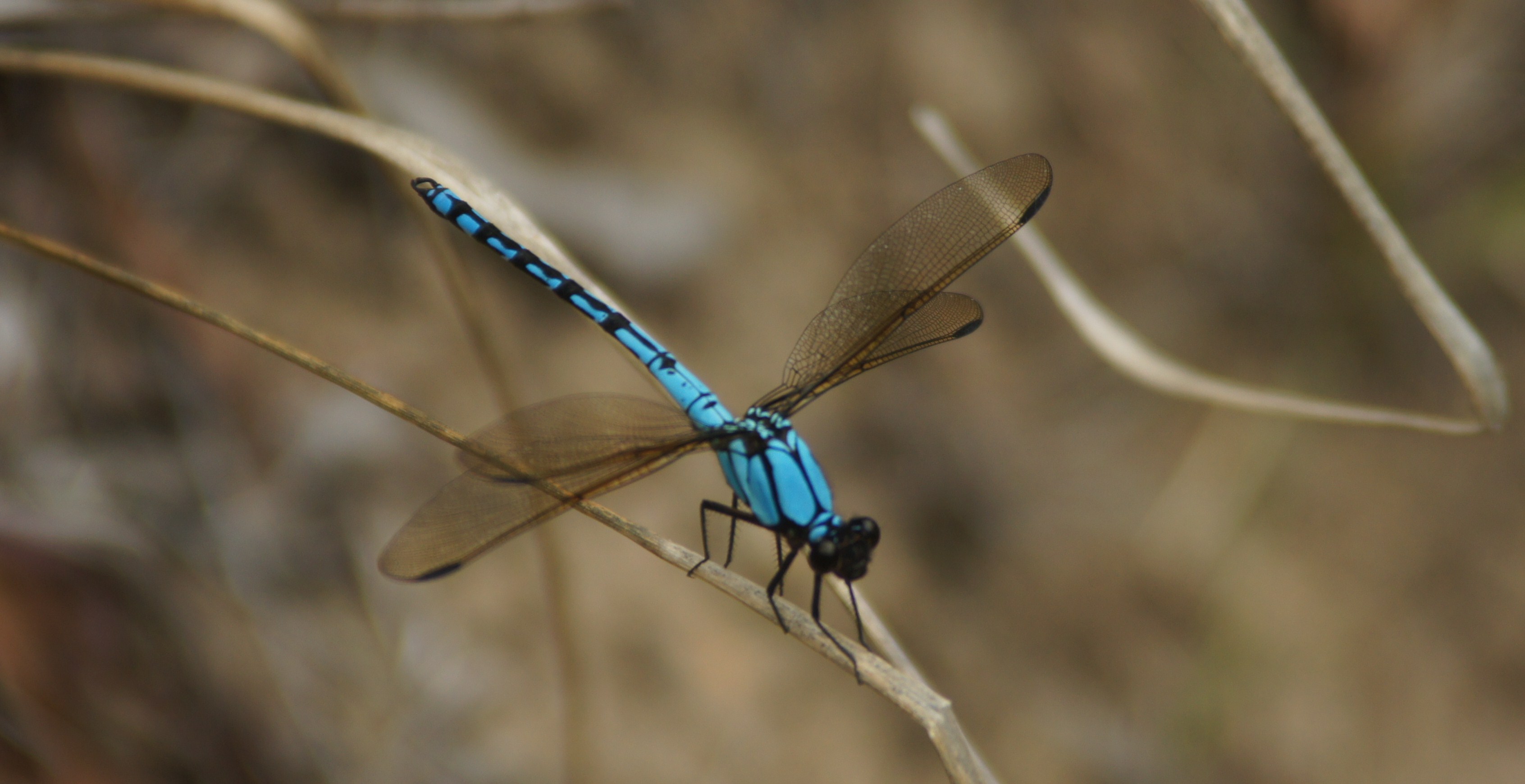
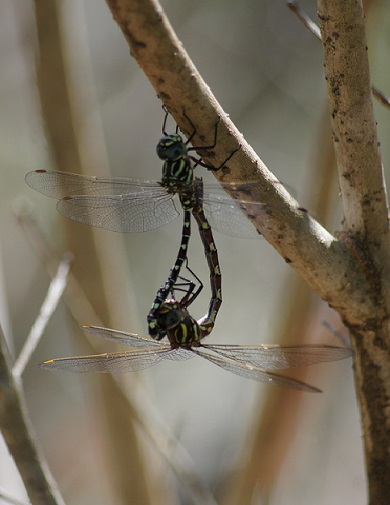
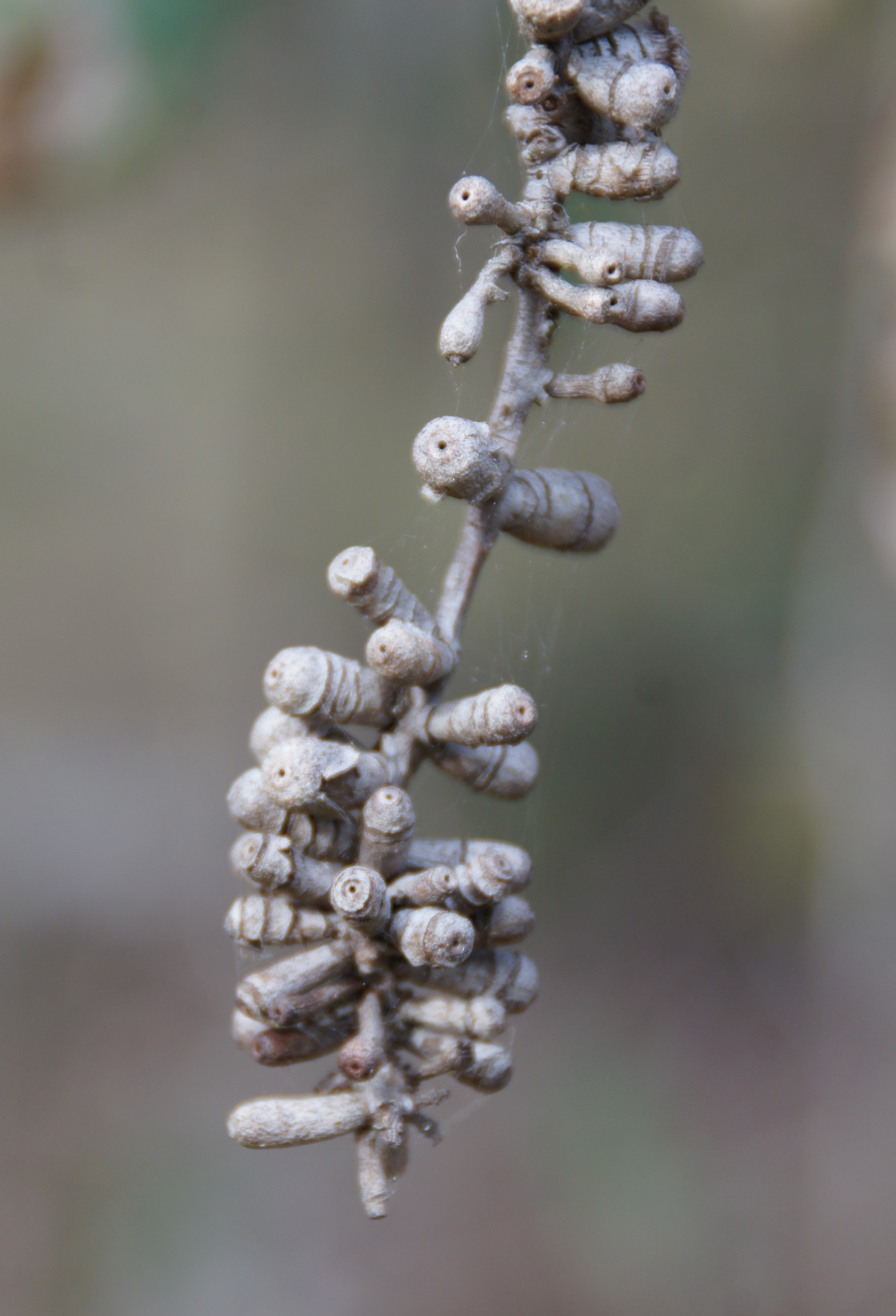
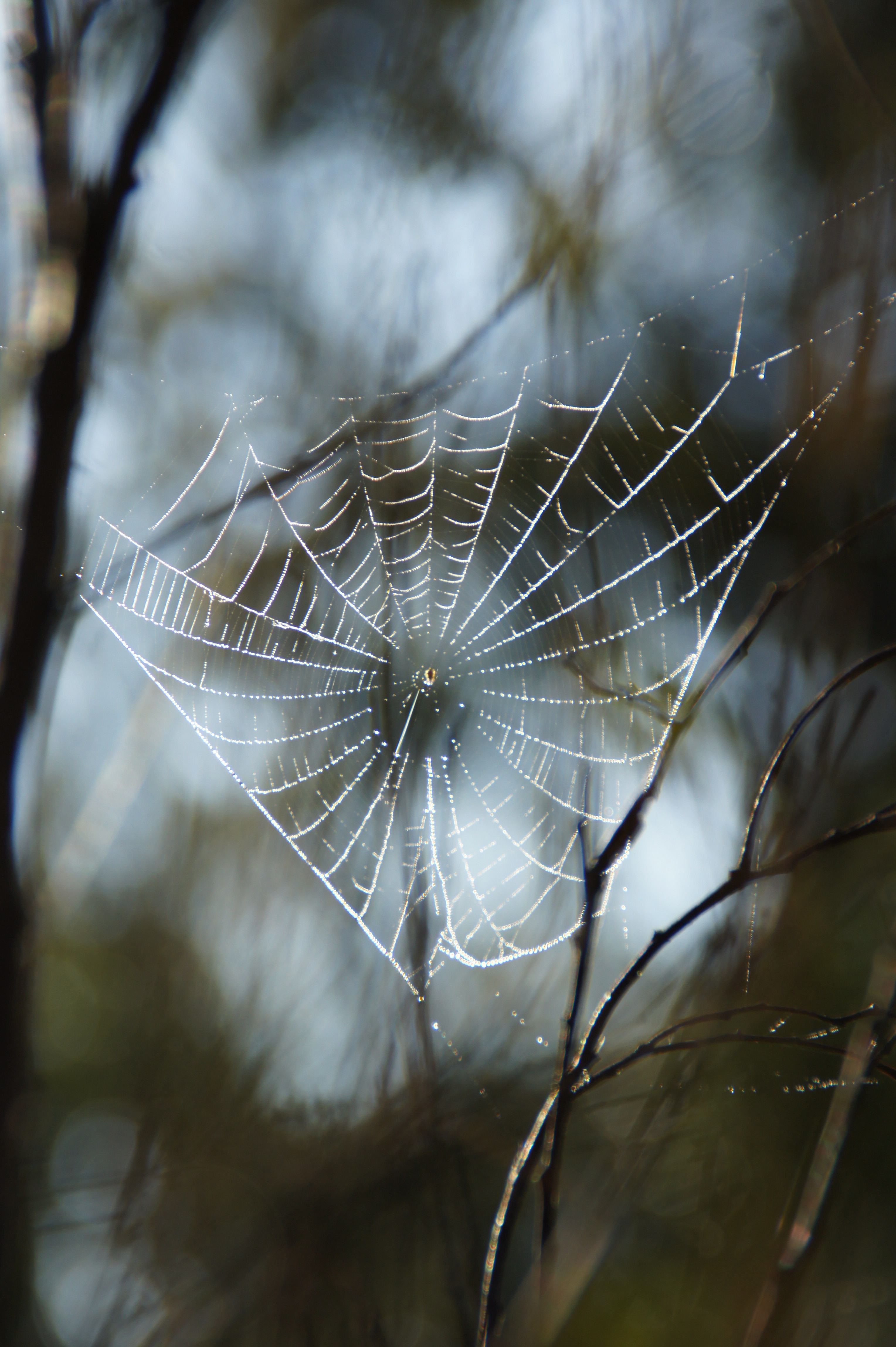
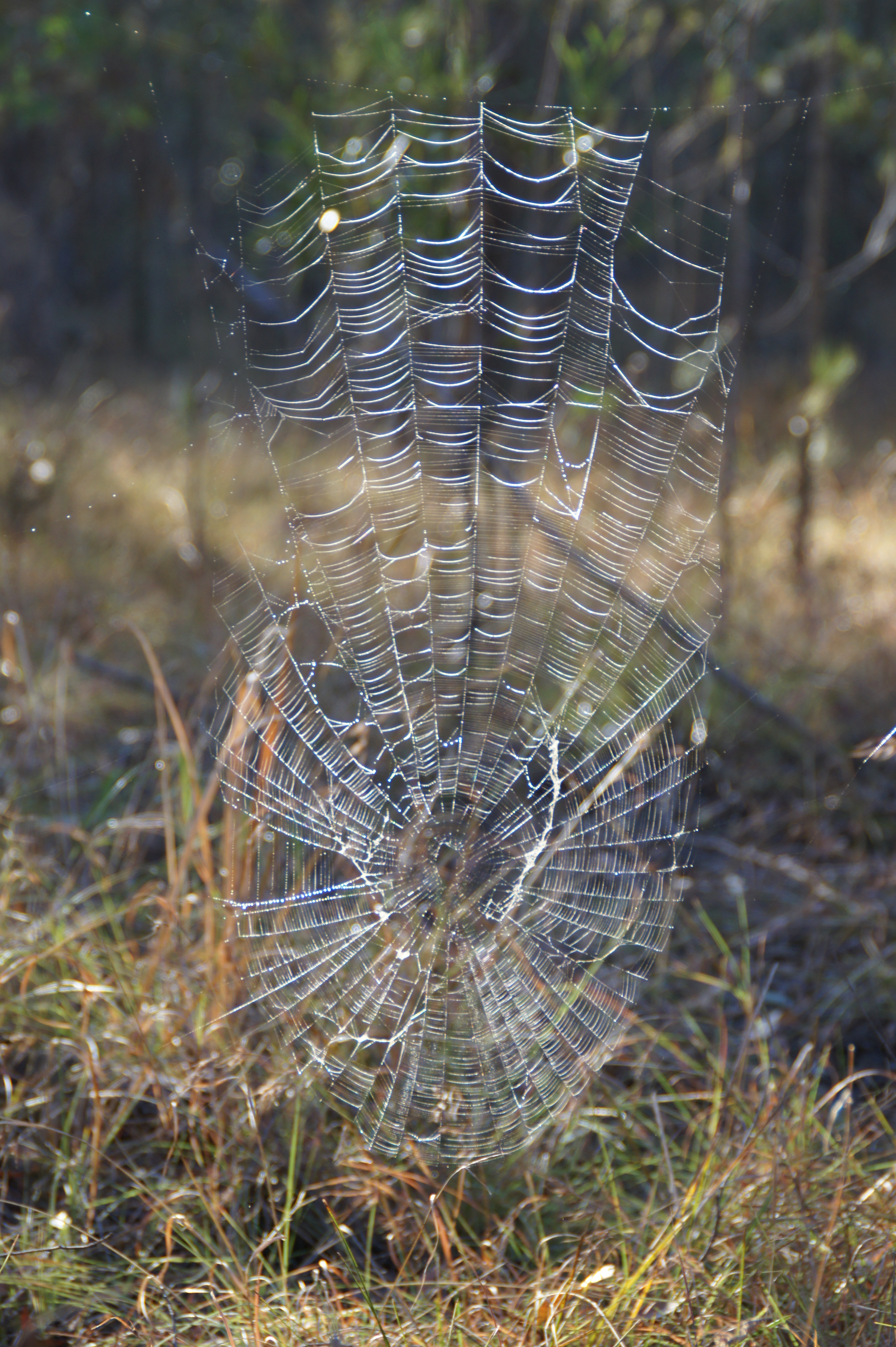
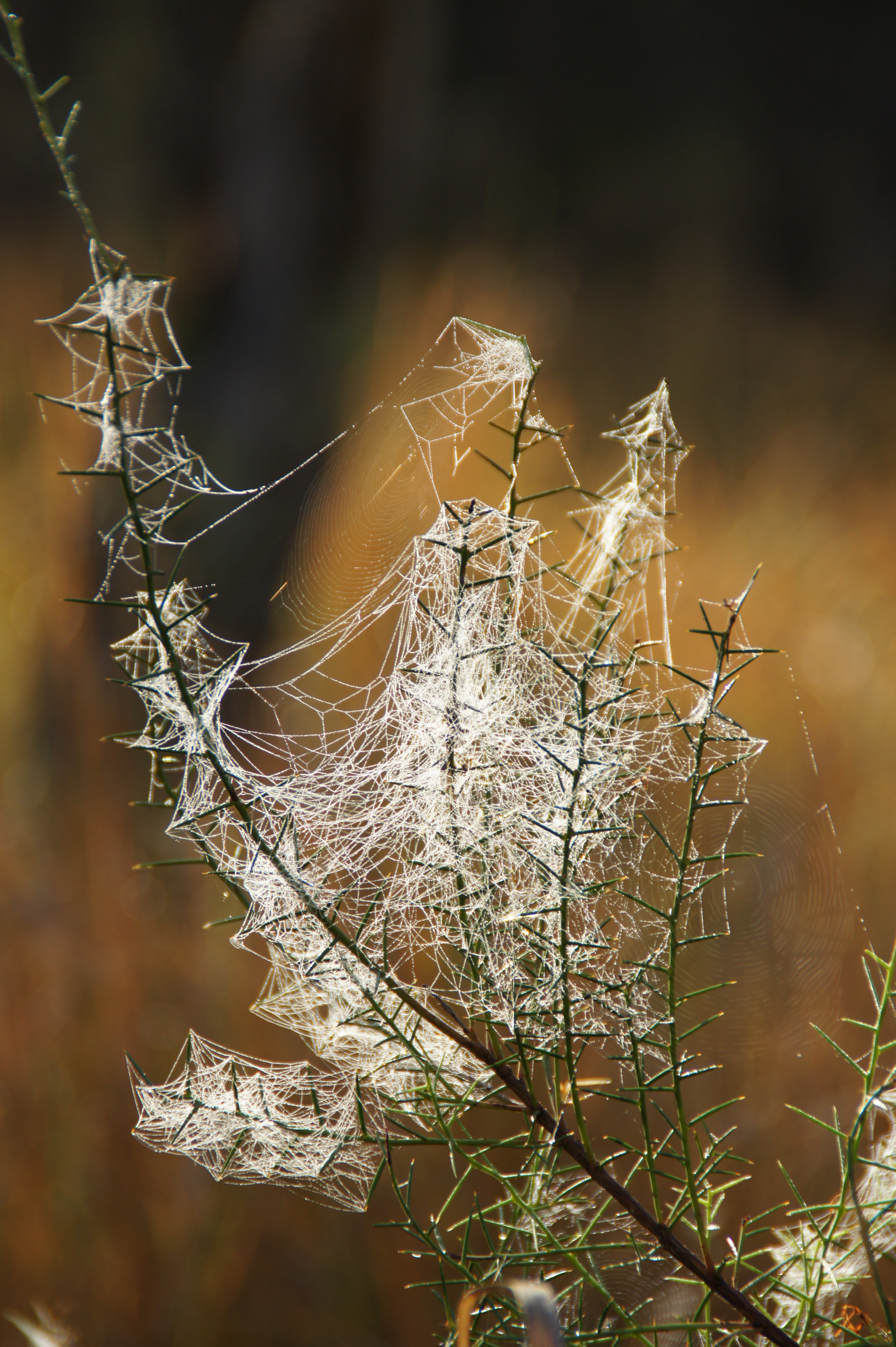
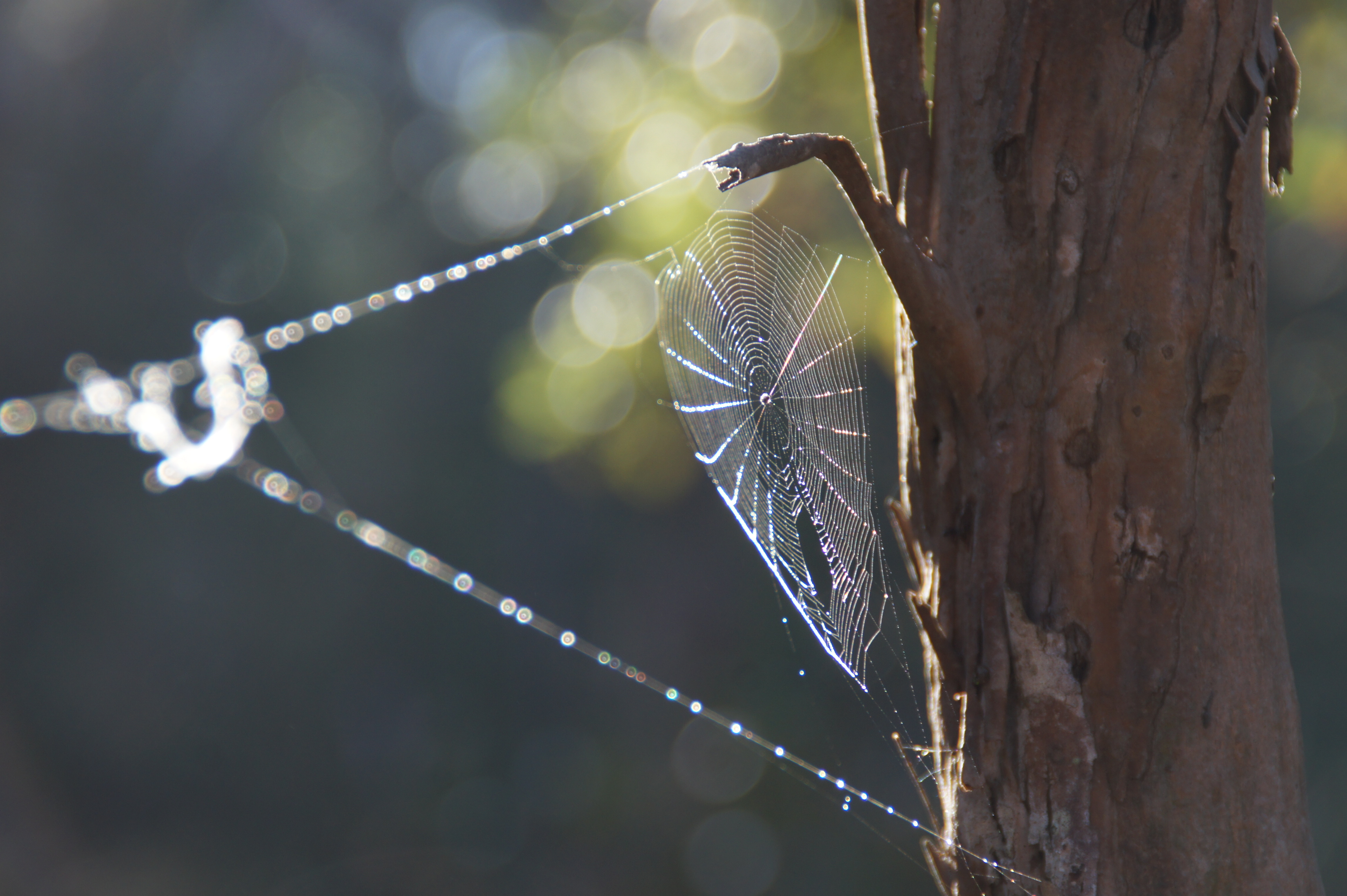
We are not much good at identifying Wordwood’s many butterflies, moths, spiders and other creep crawlies. Some of our favourite photos are included below.
 Dragonfly |
 Dragonflys |
 Insect Galls |
 Gum Tree Shield Bug (Nymph) |
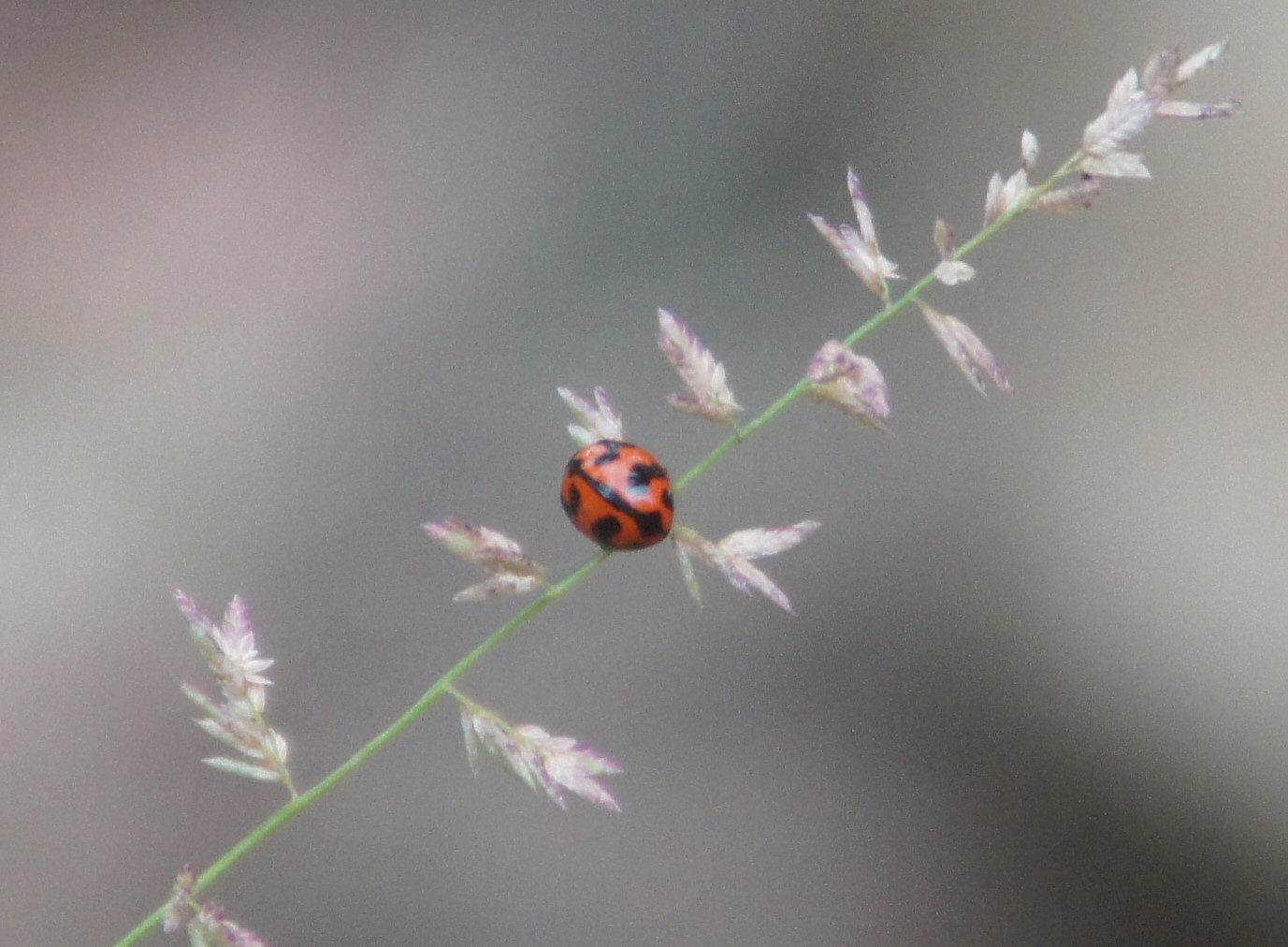 Lady Beetle |
 Butterfly |
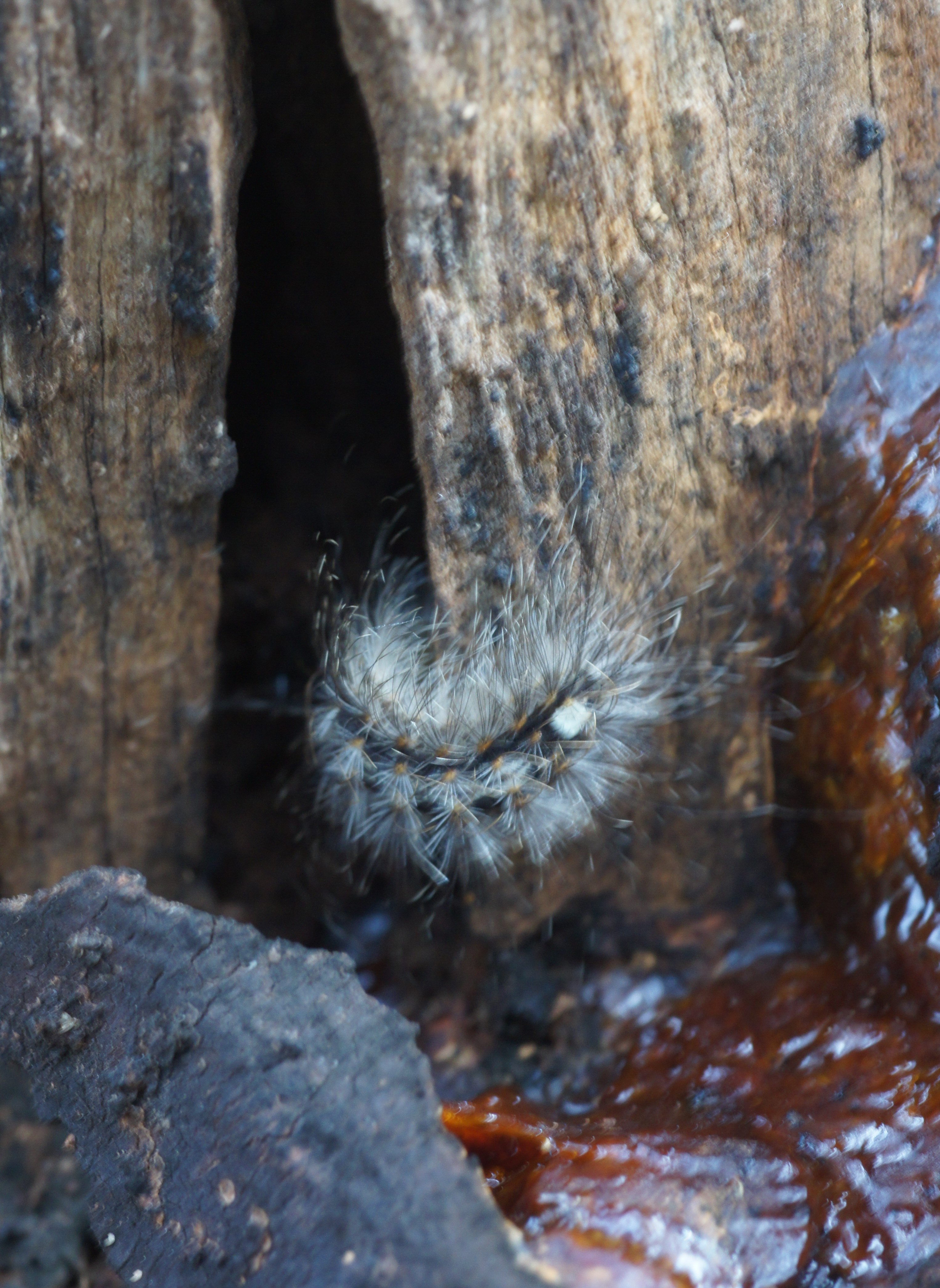 Caterpillar |
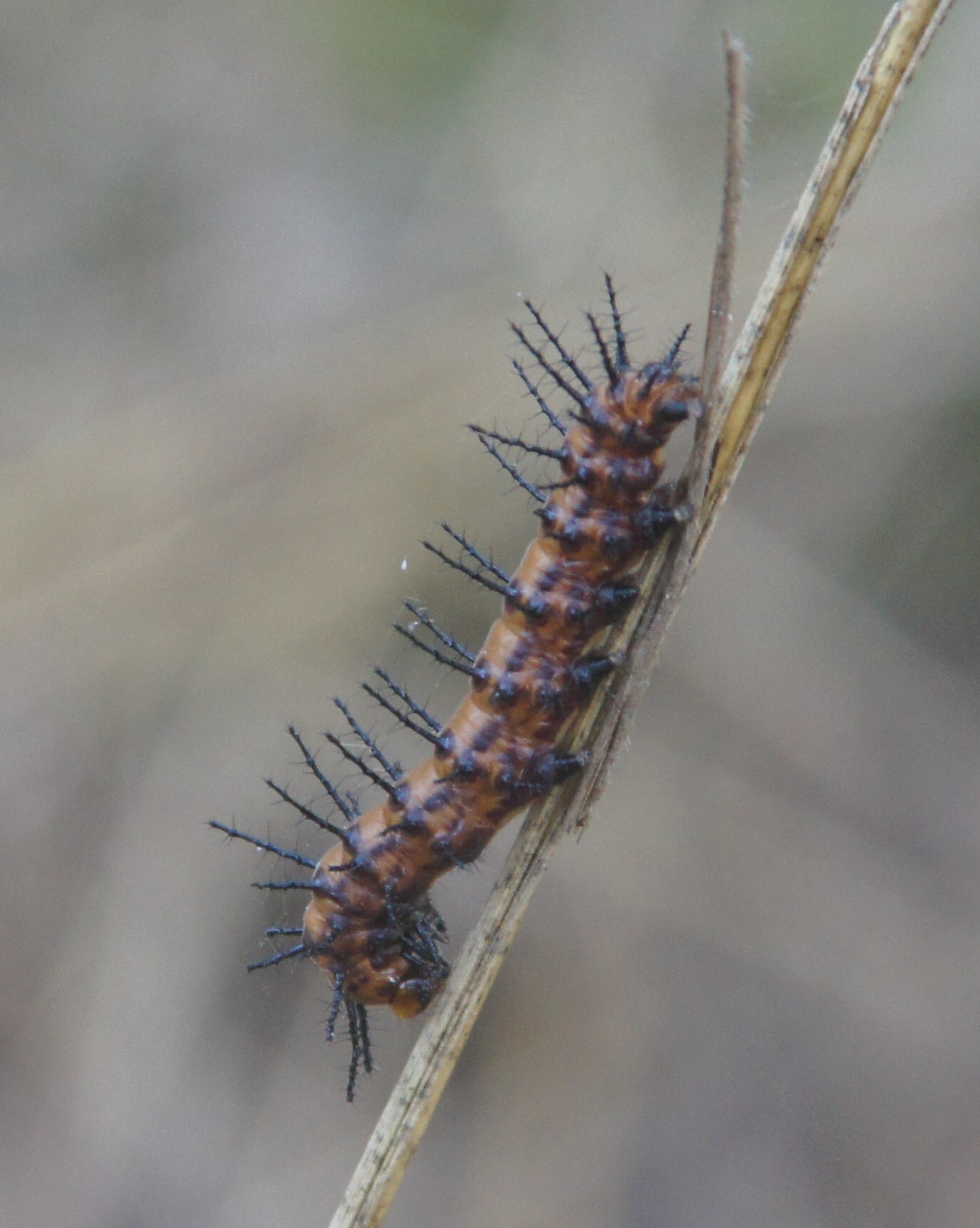 Caterpillar |
 Emerald Moth |
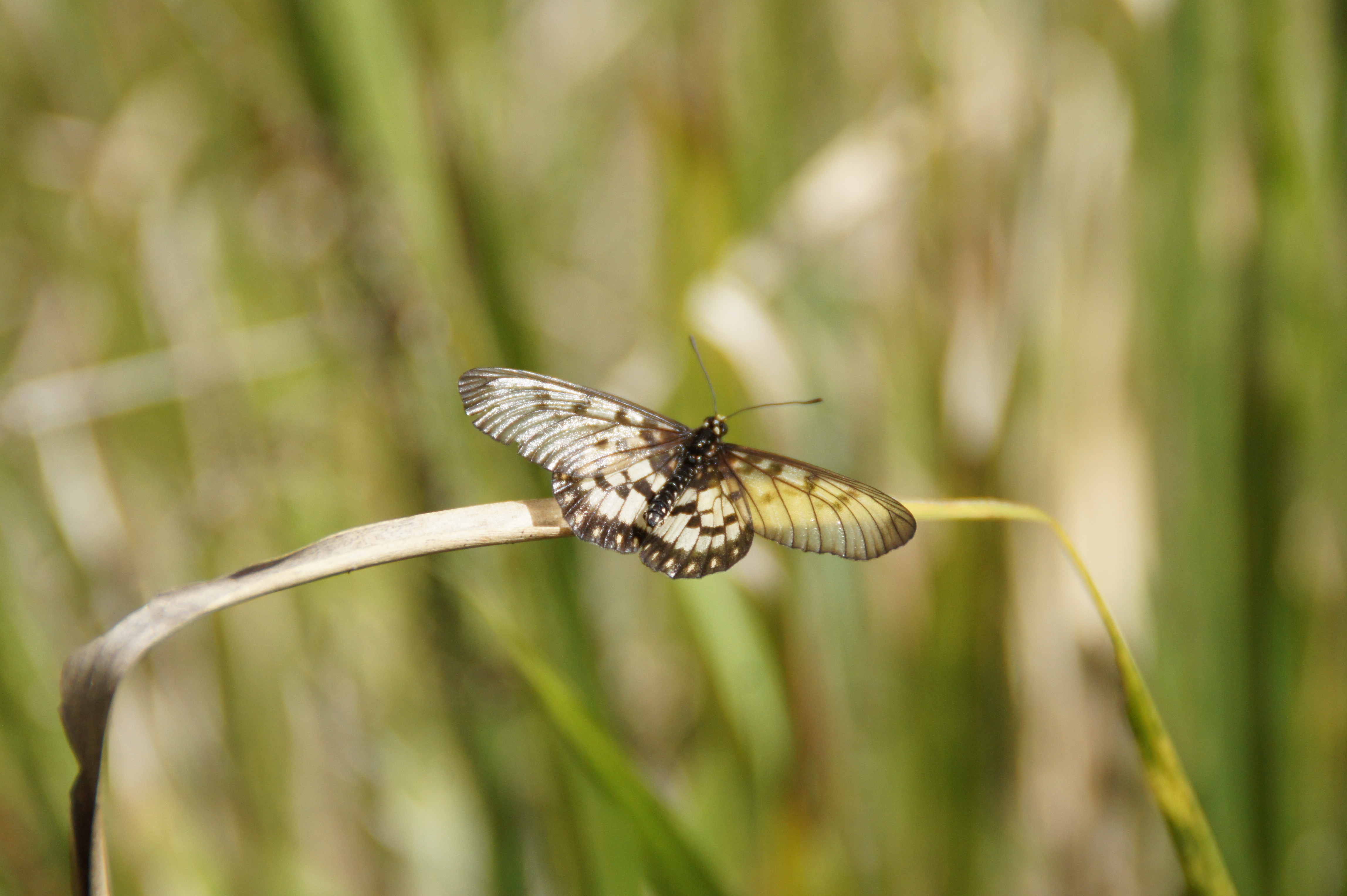 Glasswing Butterfly |
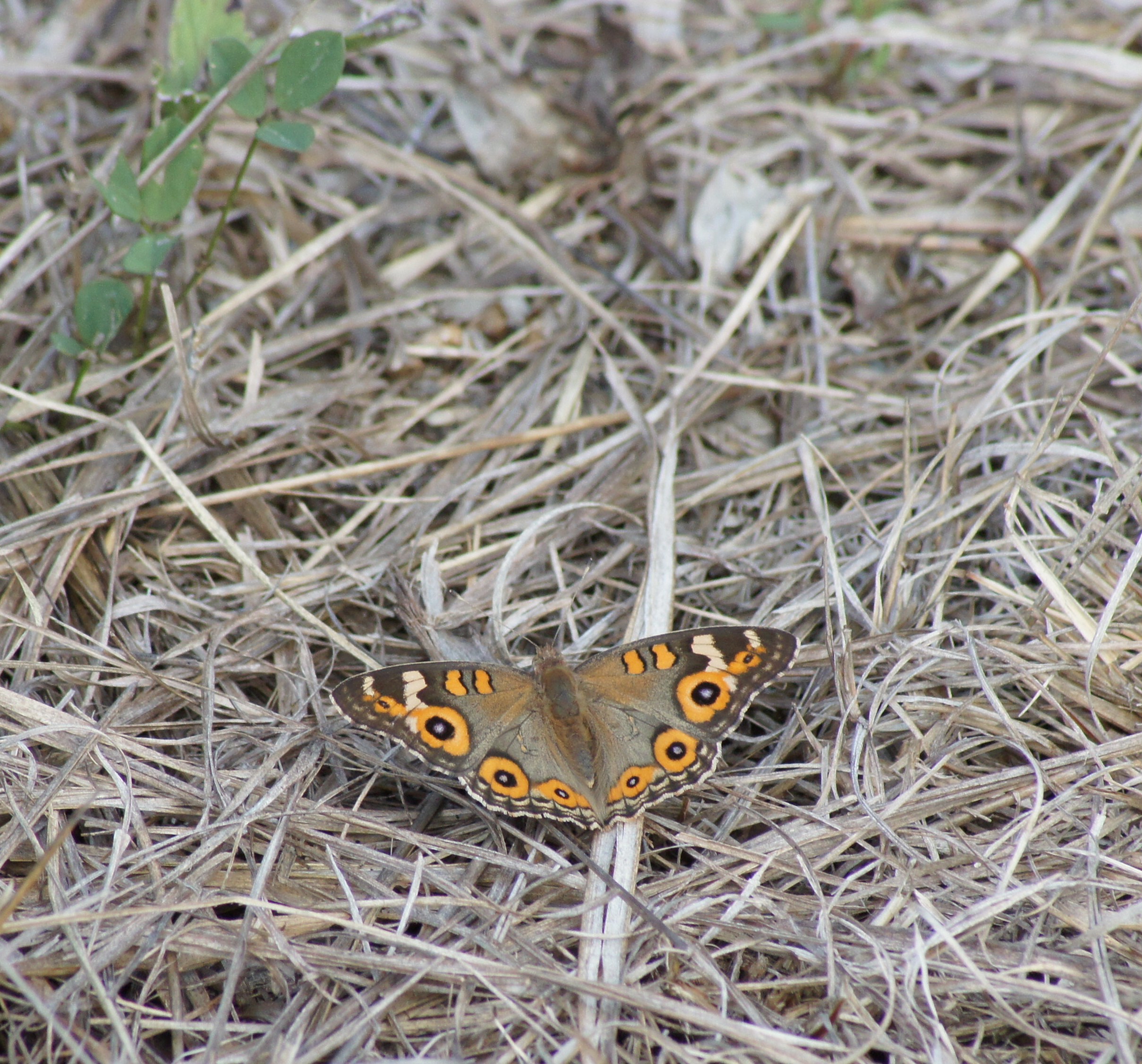 Meadow Argus Butterfly |
 Grey Huntsman |
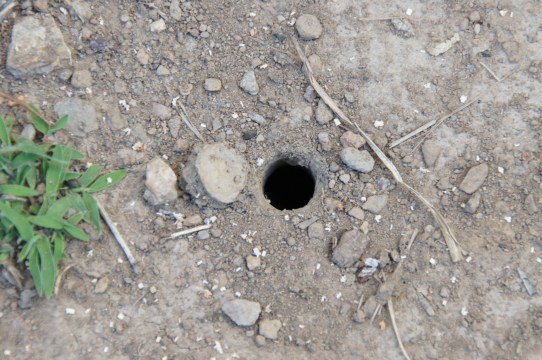 Trapdoor Spider Nest |
|
|
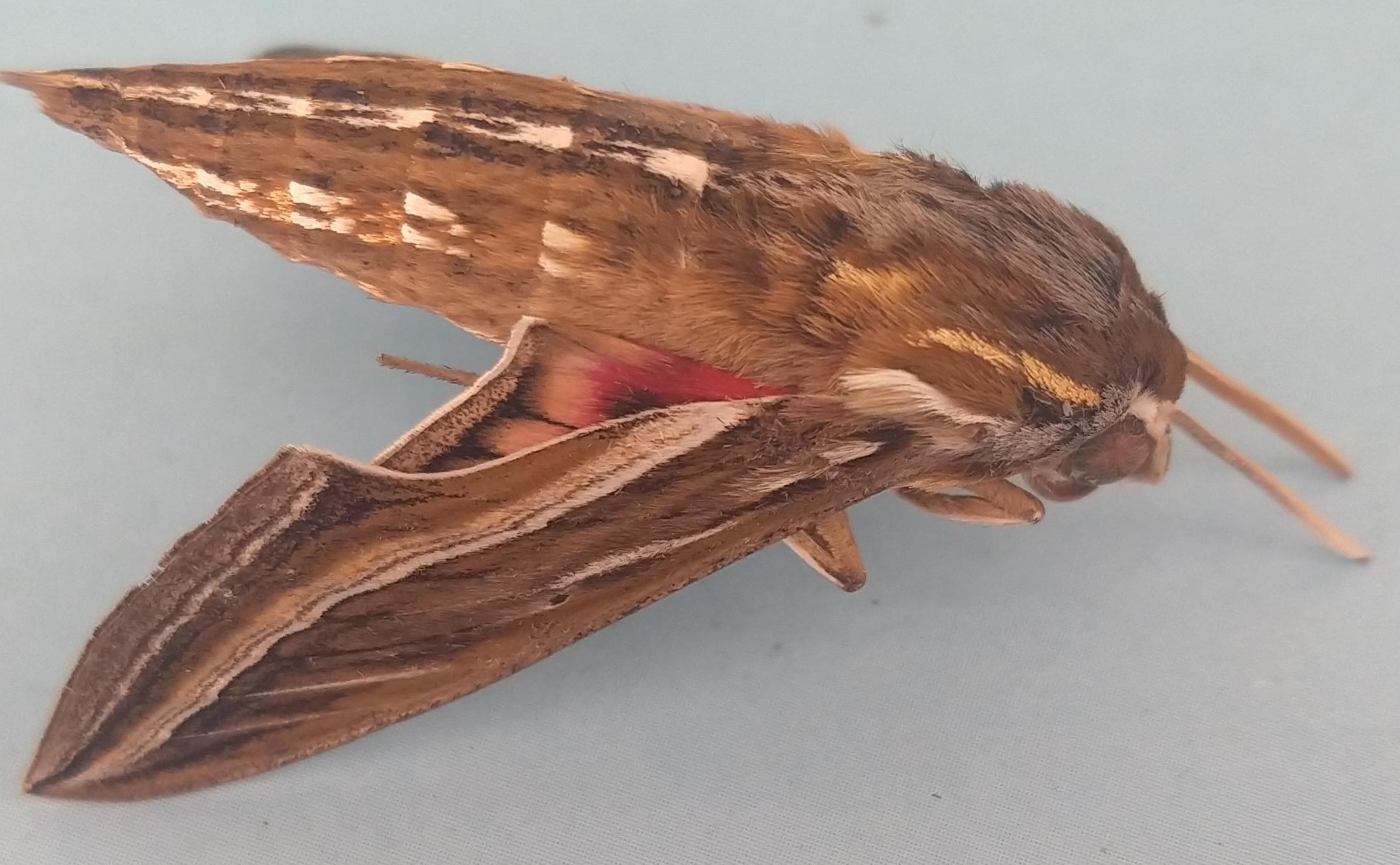 Vine hawk moth Vine hawk moth |
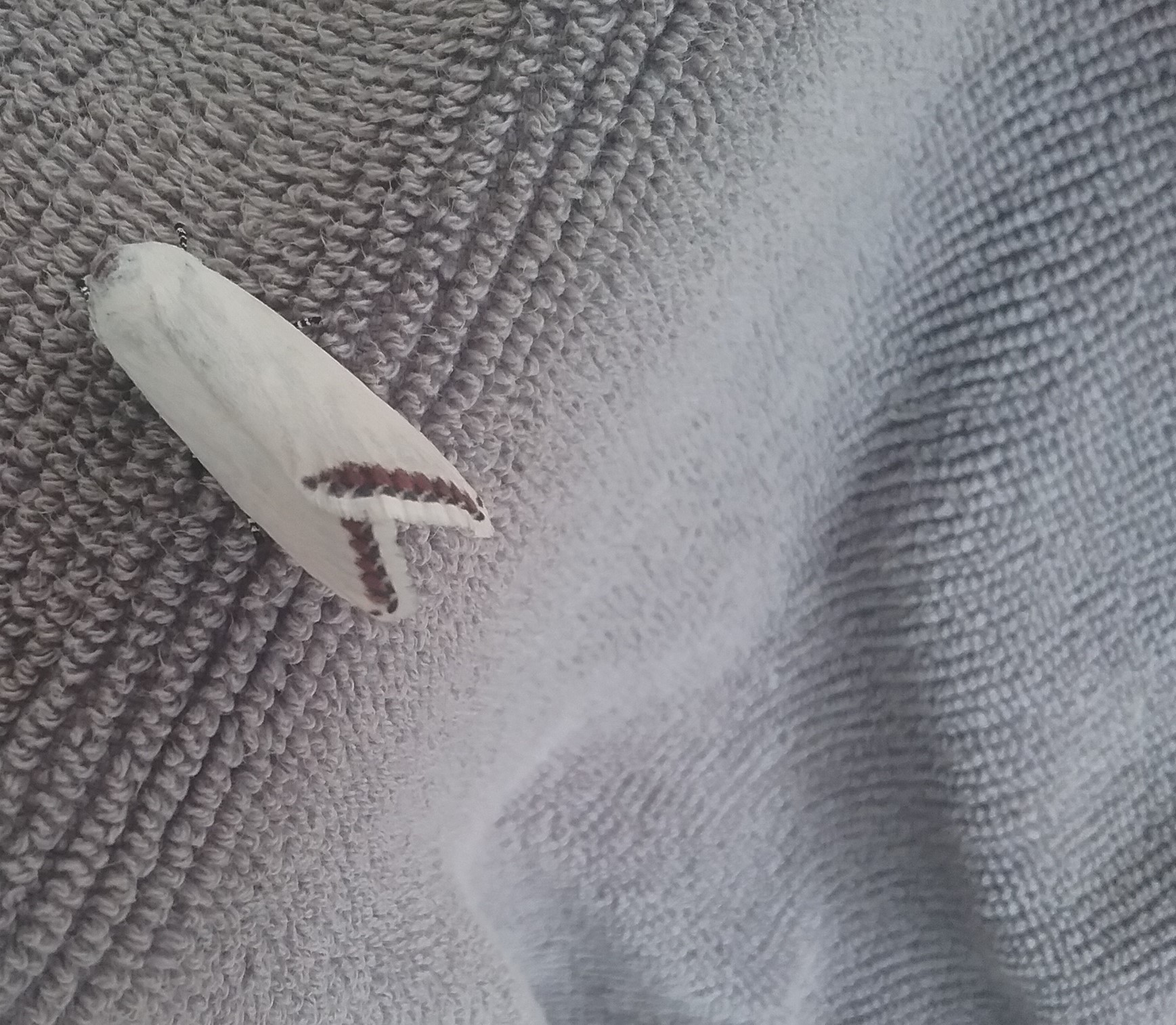 |
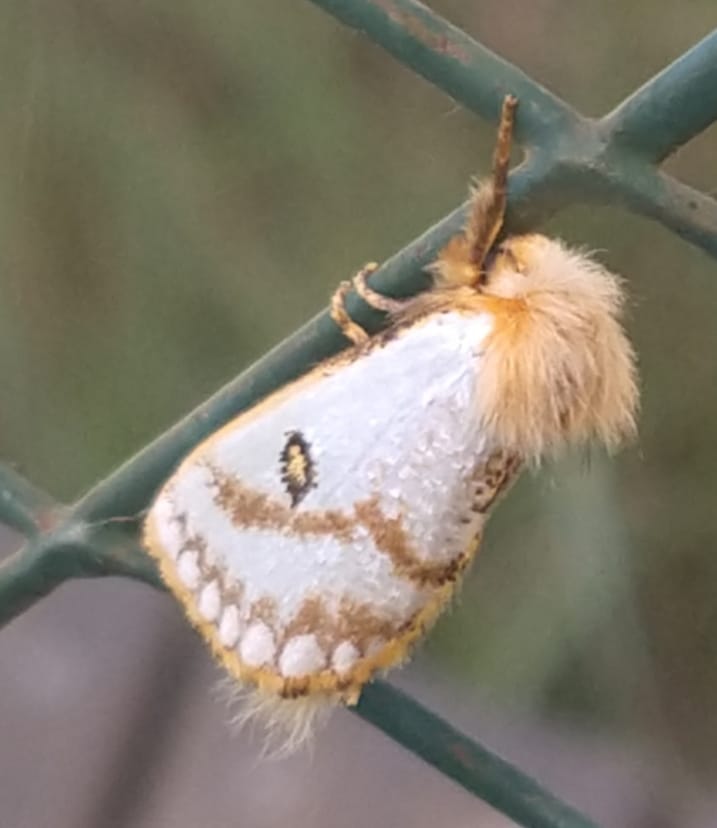 Common epicoma moth
Fauna Species List (Last updated May 2020)
|
Scientific name |
Common name |
Type |
| Indigenous | ||
| Aepyprymnus rufescens | Rufous bettong | Mammal |
| Antechinus flavipesr | Yellow-footed antechinus | Mammal |
| Canus lupus dingo | Dingo | Mammal |
| Hydromys chrysogaster | Rakali or water rat | Mammal |
| Isoodon macrourus | Northern brown bandicoot (Eastern) | Mammal |
| Microchiroptera | Microbats | Mammal |
| Petaurus norfolcensis | Squirrel glider | Mammal |
| Phascolarctos cinereus | Koala | Mammal |
| Tachyglossus aculeatus | Echidna | Mammal |
| Macropus giganteus | Eastern grey kangaroo | Mammal |
| Macropus rufogriseus | Red-necked wallaby | Mammal |
| Pseudocheirus peregrinus | Common ringtail possum | Mammal |
| Rattus tunneyi | Pale field rat | Mammal |
| Sminthopis murina | Common dunnart | Mammal |
| Trichosurus vulpecula | Brushtail possum | Mammal |
| Aegotheles cristatus | Owlet nightjar | Bird |
| Acanthorhynchus tenuirostris | Eastern spinebill | Bird |
| Acanthiza chrysorrhoa | Yellow-rumped thornbill | Bird |
| Acanthiza pusilla | Brown thornbill | Bird |
| Acanthiza lineata | Striated thornbill | Bird |
| Acanthiza reguloides | Buff-rumped thornbill | Bird |
| Acanthiza nana | Yellow thornbill | Bird |
| Alectura lathami | Australian brush turkey | Bird |
| Alisterus scapularis | King parrot | Bird |
| Anas superciliosa | Pacific black duck | Bird |
| Aquila audax | Wedge-tailed eagle | Bird |
| Ardea pacifica | White-necked heron | Bird |
| Artamus cyanopterus | Dusky woodswallow | Bird |
| Aviceda subcristata | Pacific baza | Bird |
| Cacatua galerita | Sulphur-crested cockatoo | Bird |
| Cacomantis flabelliformis | Fan-tailed cuckoo | Bird |
| Calyptorhynchus funereus | Yellow-tailed black cockatoo | Bird |
| Calyptorhynchus lathami | Glossy Black cockatoo | Bird |
| Centropus phasianinus | Pheasant coucal | Bird |
| Chalcites lucidus | Shining bronze-cuckoo | Bird |
| Chenonetta jubata | Australian wood duck | Bird |
| Colluricincla harmonica | Grey shrike-thrush | Bird |
| Columba leucomela | White-headed pigeon | Bird |
| Coracina novaehollandiae | Black-faced cuckoo-shrike | Bird |
| Cormobates leucophaea | White-throated treecreeper | Bird |
| Corvus orru | Torrvsian crow | Bird |
| Coturnix ypsilophora | Brown quail | Bird |
| Cracticus torquatus | Grey butcherbird | Bird |
| Cuculus pallicus | Pallid cuckoo | Bird |
| Dacelo novaeguineae | Laughing kookaburra | Bird |
| Daphoenositta chrysoptera | Varied sitella | Bird |
| Dicaeum hirundinaceum | Mistletoebird | Bird |
| Dicrurus bracteatus | Spangled drongo | Bird |
| Egretta novaehollandiae | White-faced heron | Bird |
| Eolophus roseicapilla | Galah | Bird |
| Eopsaltria australis | Eastern yellow robin | Bird |
| Eudynamys orientalis | Common or eastern koel | Bird |
| Geopelia striata | Peaceful dove | Bird |
| Gerygony olivacea | White-throated gerygony | Bird |
| Glossopsitta pusilla | Little lorikeet | Bird |
| Grallina cyanoleuca | Magpie-lark | Bird |
| Gymnorhina tibicen | Magpie | Bird |
| Haliastur sphenurus | Whistling kite | Bird |
| Lichenostomus chrysops | Yellow-faced honeyeater | Bird |
| Lopholaimus antarcticus | Topknot pigeon | Bird |
| Malurus cyaneus | Superb fairy wren | Bird |
| Malurus lamberti | Varigated fairy wren | Bird |
| Malurus melanocephalus | Red-backed fairywren | Bird |
| Manorina melanocephala | Noisy miner | Bird |
| Meliphaga lewinii | Lewin’s honeyeater | Bird |
| Melithreptus brevirostirs | Brown-headed honeyteater | Bird |
| Melithreptus gularis | Black-chinned honey eater ? | Bird |
| Melithreptus lunatus | White-naped honeyeater | Bird |
| Microcarbo melanoleucos | Little pied cormorant | Bird |
| Microeca fascinanss | Jacky winter | Bird |
| Myiagra rubecula | Leaden flycatcher | Bird |
| Myzomela sanguinolenta | Scarlet honeyeater | Bird |
| Neochmia temporalis | Red-browed or firetail finch | Bird |
| Ninox novaeseelandiae | Southern boobook owl or mopoke | Bird |
| Nycticorax caledonicus | Nankeen night heron | Bird |
| Oriolus sagittatus | Olive-backed oriole | Bird |
| Pachycephala pectoralis | Australian golden whistler | Bird |
| Pachycephala rufiventris | Rufous whistler | Bird |
| Pardalotus punctatus | Spotted pardalote | Bird |
| Pardalotus striatus | Striated pardalote | Bird |
| Petroica rosea | Rose robin | Bird |
| Phalacrocorax sulcirostris | Little black cormorant | Bird |
| Phalacrocorax varius | Pied cormorant | Bird |
| Phaps chalcoptera | Common bronzewing | Bird |
| Philemon corniculatus | Noisy friarbird | Bird |
| Platalea flavipes | Yellow-billed spoonbill | Bird |
| Platycercus adscitus | Pale-head rosella | Bird |
| Platycercus elegans | Crimson rosella | Bird |
| Podargus strigoides | Tawny frogmouth | Bird |
| Ptilonorhynchus violaceus | Satin bowerbird | Bird |
| Rhipidura fuliginosa | Grey fantail | Bird |
| Rhipidura rufifrons | Rufous fantail | Bird |
| Rhipidura leucophrys | Willie wagtail | Bird |
| Sericornis frontalis | White-browed scrubwren | Bird |
| Scythrops novaehollandiae | Channel-billed cuckoo | Bird |
| Smicrornis brevirostris | Weebill | Bird |
| Strepera graculina | Pied currawong | Bird |
| Todiramphus macleayii | Forest kingfisher | Bird |
| Trichoglossus chlorolepidotus | Scaly-breasted lorikeet | Bird |
| Trichoglossus haematodus | Rainbow lorikeet | Bird |
| Zosterops lateralis | Silvereye | Bird |
| Amphibolurus nobbi | Nobby dragon | Reptile |
| Intellagama lesueurii | Water dragon | Reptile |
| Lampropholis delicata | Garden skink | Reptile |
| Oedura tryoni | Spotted velvet gecko | Reptile |
| Pogona barbata | Bearded dragon | Reptile |
| Pseudechis porphyriacus | Red-bellied black snake | Reptile |
| Saiphos equalis? | Skink | Reptile |
| Varanus varius | Lace monitor or goanna | Reptile |
| Limnodynastes terraereginae | Scarlet-sided pobblebonk | Amphibian |
| Litoria caerulea | Australian green tree frog | Amphibian |
| Litoria dentata | Bleating tree frog | Amphibian |
| Litoria fallax | Eastern sedge frog | Amphibian |
| Litoria latopalmata | Broad palmed rocketfrog | Amphibian |
| Litoria peronii | Emerald-spotted tree frog | Amphibian |
| Mixophyes fasciolatus | Great barred frog (heard only) | Amphibian |
| Cherax depressus | Orange-fingered yabby | Crustacean |
| Cherax dispar | Slender yabby | Crustacean |
| Argiope keyserlingi | St Andrews cross spider | Arachnid |
| Austracantha minax | Jewel spider | Arachnid |
| Holconia immanis | Grey huntsman spider | Arachnid |
| Small mottled scorpion | Arachnid | |
| Wolf spider? | Arachnid | |
| Digaster longmani | Giant earthworm | Annelid |
| Polydesmid millipede | Diplopod | |
| Acrida conica | Long-headed grasshopper or giant green slantface | Insect |
| Acripeza reticulata | Mountain kitydid | Insect |
| Anoplognathus | Christmas beetle | Insect |
| Archimantis latistyla | Stick mantis | Insect |
| Cicadidae | Cicadas | Insect |
| Coccinellidae | Lady beetle | Insect |
| Hymenoptera symphyta | Sawfly larva or spitfire | Insect |
| Polyrhachis | Spiny ant | Insect |
| Ranatra ? | Needle bug | Insect |
| Theseus modestus | Gum tree shield bug (nymph) | Insect |
| Acraea andromacha | Glasswing butterfly | Lepidoptera |
| Belenois java | Caper white butterfly | Lepidoptera |
| Danaus chrysippus | Lesser wanderer butterfly | Lepidoptera |
| Danaus plexippus | Monarch butterfly | Lepidoptera |
| Elodina angulipennis | Southern pearl-white butterfly | Lepidoptera |
| Epicoma melanosticta | Common epicoma moth | Lepidoptera |
| Endoxyla cinera | Giant wood moth | Lepidoptera |
| Euploea core | Common crow butterfly | Lepidoptera |
| Eurema erigitta | No-brand grass-yellow butterfly | Lepidoptera |
| Hippotion celerio | Vine hawk moth | Lepidoptera |
| Hypolimnas bolina | Varied eggfly butterfly | Lepidoptera |
| Junonia villida | Meadow argus butterfly | Lepidoptera |
| Netrocoryne repanda | Bronze flat butterfly | Lepidoptera |
| Oenochroma infantilis | Emerald moth | Lepidoptera |
| Tirumala hamata | Blue tiger butterfly | Lepidoptera |
| Zizina labradus | Common grass-blue butterfly | Lepidoptera |
| Feral | ||
| Cervus elaphus | Red deer | Mammal |
| Felis catus | Feral cat | Mammal |
| Vulpes vulpes | European red fox (scat and feeding only) | Mammal |
| Bufo marinus | Cane toad | Amphibian |
 |
 |
 |

 Wordwood